
Imagine waking up one morning and finding you cannot smile on one side of your face. Your eye won't close, and drool might be leaking from the corner of your mouth. This sudden onset of weakness is the hallmark of Bell's Palsy, a condition causing temporary paralysis of the facial muscles due to inflammation of the facial nerve. It happens without warning, often leaving people terrified they are having a stroke. While the symptoms are alarming, the condition is treatable, and acting quickly makes a massive difference in your recovery.
Understanding the Facial Nerve and Paralysis
To understand the treatment, you first need to understand the problem. The condition affects the Facial Nerve, the seventh cranial nerve responsible for controlling facial expressions and tear production. This nerve travels through a narrow bony tube called the fallopian canal. When inflammation occurs, the nerve swells inside this tight space. The swelling compresses the nerve, cutting off signals to the muscles on that side of your face.
Medical professionals classify this as idiopathic facial nerve paralysis, meaning there is no identifiable cause after a thorough exam. It is not a stroke, although the symptoms can look similar. The American Academy of Family Physicians notes that approximately 15 to 30 people per 100,000 get this condition every year. It can happen to anyone, but it is most common between the ages of 15 and 45. The sudden nature is what makes it scary, but knowing it is a nerve issue rather than a brain bleed changes everything about how you approach recovery.
Why Corticosteroids Are the Standard Treatment
When you face facial paralysis, the goal is to reduce that swelling as fast as possible. This is where Corticosteroids, a class of anti-inflammatory medication used to reduce swelling and immune response come in. They are the only treatment with high-quality evidence backing them up. The mechanism is straightforward: these drugs reduce the edema (fluid buildup) around the nerve. By shrinking the inflammation, you relieve the pressure inside the fallopian canal, allowing the nerve to function again.
Without this intervention, the nerve stays compressed longer, which can lead to permanent damage. The Cochrane Database of Systematic Reviews analyzed multiple randomized controlled trials and found that corticosteroids significantly improve the chances of full recovery. The data shows a number needed to treat (NNT) of 10. This means for every 10 patients treated with steroids, one person avoids incomplete recovery compared to those who do not take them. In a condition where about 70% of people recover spontaneously without treatment, pushing that success rate higher is a vital medical advantage.
Timing and Dosage Protocols
Speed is critical. The optimal window to start treatment is within 48 hours of the first symptom. While some benefit remains up to 72 hours, waiting longer reduces the effectiveness significantly. Many patients delay seeking help because they hope it will go away on its own, but that lost time can cost them full function. If you notice your face drooping, you need to see a doctor immediately.
The standard regimen is precise. Doctors typically prescribe oral Prednisone, a synthetic corticosteroid medication commonly used to treat inflammation at a dose of 50 to 60 mg daily for five days. This is followed by a five-day taper, meaning the dose is gradually reduced over the next week. The total course lasts 10 days, with a cumulative dose around 500 mg. Research indicates that doses below 450 mg are linked to higher rates of unsatisfactory recovery. Sticking to the full taper is essential to prevent the body from reacting negatively to stopping the medication abruptly.

Recovery Rates and Prognosis
What can you expect after starting the medication? Recovery is measured using the House-Brackmann Facial Nerve Grading System, a standard tool used by neurologists. With appropriate treatment, studies show about 72.6% of patients recover at three months, and that jumps to 89.5% at nine months. Age is a factor; younger patients tend to recover faster than older adults. However, the administration of prednisolone remains the second most important predictor of recovery after age.
Machine learning analysis from a 2023 study of nearly 500 patients confirmed these trends. The data highlights that getting the steroid treatment early is the biggest lever you can pull to improve your outcome. Most people regain full movement, though some might experience minor lingering issues like slight twitching or weakness. Complete resolution of symptoms is the goal, and for the vast majority, that goal is achievable.
Side Effects and Safety Considerations
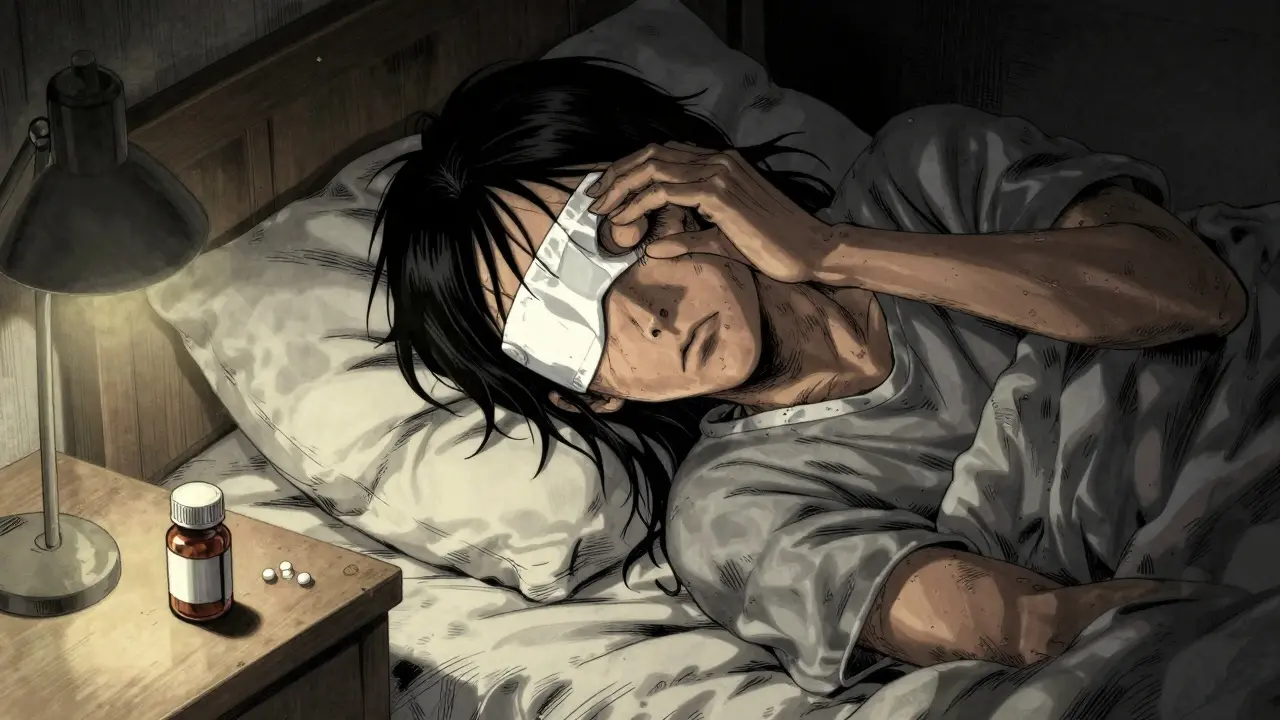
Many people hear "steroids" and worry about long-term health risks. It is important to understand that this is a short-term course. The serious side effects associated with chronic steroid use, like bone density loss or immune suppression, are unlikely during a 10-day treatment. The side effects you might experience are temporary. Common reports include increased appetite, mood changes, and difficulty sleeping. One trial noted temporary sleep disturbances in a few participants receiving prednisolone.
If you have diabetes, you need to be extra careful. Corticosteroids can raise blood glucose levels. You should monitor your blood sugar closely during the 10-day course and adjust insulin or medication under your doctor's guidance. For most other patients, the risk-benefit profile is excellent. The Cochrane review analyzed adverse effects in over 700 participants and found no significant difference in serious adverse events between the steroid group and the placebo group. The temporary discomfort of side effects is generally worth the trade-off for saving facial nerve function.
Combination Therapy and Alternatives
Doctors sometimes consider adding antiviral medication to the steroid regimen. This is often done if there is a suspicion of a viral trigger, such as the herpes simplex virus. However, evidence for antivirals alone is weak. There is no high-quality evidence supporting antiviral monotherapy. When combined with steroids, moderate-quality evidence suggests it might reduce rates of synkinesis, which is involuntary muscle movement during recovery. The American Academy of Family Physicians rates this combination as a consideration, but steroids remain the primary driver of recovery.
Other treatments like low-level laser therapy, hyperbaric oxygen, or nerve blocks have been studied. None have shown high-quality evidence of superiority over standard corticosteroid therapy. The market for treatments is dominated by steroids because they are effective, cheap, and widely available. Generic prednisone costs very little, making it accessible even in resource-limited settings. While research continues into new anti-inflammatory agents, nothing has replaced the steroid protocol as the first-line defense.
Distinguishing Bell's Palsy from Stroke
This is the most critical safety distinction you can make. A stroke can also cause facial drooping, but it affects the brain, not just the nerve. In a stroke, the weakness usually spares the forehead because the upper face has dual nerve supply. In Bell's Palsy, the entire side of the face, including the forehead, is weak. If you cannot wrinkle your forehead on the affected side, it points more strongly toward Bell's Palsy. However, you cannot diagnose this yourself. If you have sudden facial weakness, you must go to an emergency room to rule out a stroke immediately. Time lost treating a stroke can be fatal, while time lost treating Bell's Palsy affects quality of life.
Another condition to rule out is Ramsay Hunt syndrome, caused by the shingles virus. This presents with facial paralysis plus a rash in the ear or mouth. This specific condition often warrants the addition of antivirals to the steroid treatment. Misdiagnosis occurs in 15 to 20% of cases, which is why a proper medical exam is non-negotiable. Clinicians use the House-Brackmann grading system to document the severity, ensuring you get the right care plan from day one.
Practical Steps for Patients
Once you have your prescription, adherence is key. Non-adherence rates are around 12%, often because patients stop when they feel better or worry about side effects. Do not stop the medication early. Follow the taper schedule exactly. Protect your eye if it does not close fully. Use lubricating eye drops during the day and tape the eye shut at night to prevent corneal damage. Physical therapy might help later in recovery to retrain muscles, but the immediate focus is the medication.
Telemedicine has made getting help faster. Platforms now include assessment tools that reduce treatment delays. If you suspect you have this condition, use these tools to get a quick triage. Education reduces delays significantly. Knowing the 48-hour window empowers you to demand prompt care. The condition is temporary for most, but your actions in the first two days determine how permanent the damage might be.
How quickly should I start corticosteroids for Bell's Palsy?
You should start treatment within 48 hours of symptom onset for the best results. Some benefit remains up to 72 hours, but efficacy drops significantly after that window.
What is the standard dosage for prednisone in this treatment?
The standard regimen is 50 to 60 mg daily for five days, followed by a five-day taper, totaling a 10-day course with approximately 500 mg cumulative dose.
Can I take antivirals with corticosteroids?
Yes, combination therapy is sometimes used, especially for severe cases or Ramsay Hunt syndrome, but steroids are the primary driver of recovery. Antivirals alone are not recommended.
What are the common side effects of this steroid treatment?
Common short-term side effects include increased appetite, mood changes, and difficulty sleeping. Serious long-term side effects are unlikely with a short 10-day course.
How do I know if it is Bell's Palsy or a stroke?
In Bell's Palsy, the entire side of the face including the forehead is weak. In a stroke, the forehead is often spared. However, you must see a doctor immediately to rule out a stroke safely.
Does everyone recover fully from Bell's Palsy?
About 70% recover spontaneously without treatment, but with corticosteroids, recovery rates improve to nearly 90% at nine months. Full resolution is the goal for most patients.
Is eye protection necessary during recovery?
Yes, if your eye does not close fully, you must use lubricating drops and tape the eye shut at night to prevent corneal damage and infection.
Can diabetics take corticosteroids for this condition?
Yes, but they require close blood glucose monitoring during the 10-day course as steroids can temporarily raise blood sugar levels.
What is the House-Brackmann Grading System?
It is a standardized scale used by clinicians to document the severity of facial nerve dysfunction and track recovery progress over time.
Are there alternative treatments to steroids?
Alternatives like laser therapy or nerve blocks exist but lack high-quality evidence. Steroids remain the only proven first-line treatment for significant recovery improvement.




10 Comments
Namrata Goyal
March 26, 2026 AT 21:33 PMSteroids are just a bandaid. Real healing comes from within. People listen to doctors too much. The nerve knows how to fix its self. You dont need chemicals.
Rachele Tycksen
March 28, 2026 AT 03:27 AMThat sounds scary but i hope you are right. I am not sure about the meds though.
Brandon Shatley
March 29, 2026 AT 10:26 AMGlad to see this info. My cousin had this. It was bad but he got bettr.
Caroline Dennis
March 31, 2026 AT 02:33 AMPrognosis relies heavily on House-Brackmann grading metrics. Early intervention yields superior neuroplasticity outcomes.
Pat Fur
March 31, 2026 AT 09:26 AMExactly. Metrics matter for tracking progress.
Korn Deno
April 1, 2026 AT 02:23 AMThe face is a map of emotion. Paralysis breaks that map. Healing restores the signal
Aaron Sims
April 2, 2026 AT 03:27 AMThey want you on drugs!!! It is a conspiracy!!! Natural remedies work better!!!
Anil Arekar
April 3, 2026 AT 21:03 PMIt is imperative to adhere to the prescribed dosage schedule. Medical professionals have established these protocols for a reason. Deviation from the standard regimen may compromise recovery. The tapering process prevents adrenal insufficiency. Patients must understand the physiological mechanism of action. Inflammation reduction is the primary objective of therapy. Corticosteroids facilitate the restoration of nerve conduction velocity. Delaying treatment beyond forty-eight hours diminishes efficacy. Compliance ensures the best possible clinical outcome. Monitoring for side effects is a necessary precaution. Diabetic individuals require additional glucose surveillance. Ophthalmic protection is mandatory if the eyelid remains open. Corneal abrasions can lead to permanent vision loss. Physical therapy may be indicated in the subacute phase. Synkinesis management requires specialized rehabilitation techniques. Full functional recovery is the ultimate therapeutic goal.
Elaine Parra
April 5, 2026 AT 09:15 AMStop wasting time reading this and go to the hospital.
Natasha Rodríguez Lara
April 5, 2026 AT 20:00 PMFamilies often struggle with the initial diagnosis. Clear guidance helps reduce panic levels significantly.