Imagine this: You’re on a flight to a sunny destination, your suitcase is checked, and you’ve packed everything perfectly. But when you land, you realize your life-saving medication has been sitting in a cargo hold that hit 100°F (38°C) for hours. Or worse, security stops you because your liquid medicine isn’t in its original container, causing a missed dose or a delayed trip. This isn’t just a hypothetical nightmare; it’s a common reality for millions of travelers.
Keeping medications safe during travel is about more than just packing them in your bag. It involves understanding temperature limits, navigating security checkpoints, and ensuring legal compliance across borders. Whether you are managing diabetes, heart conditions, or allergies, how you store your drugs can directly impact their effectiveness. In fact, studies show that nearly 79% of medication-related travel emergencies stem from improper temperature exposure alone.
This guide breaks down exactly how to protect your pharmaceuticals, from the moment you leave home until you return. We will cover TSA rules, temperature control strategies, international regulations, and the critical importance of keeping meds in their original packaging.
The Golden Rule: Original Containers Are Non-Negotiable
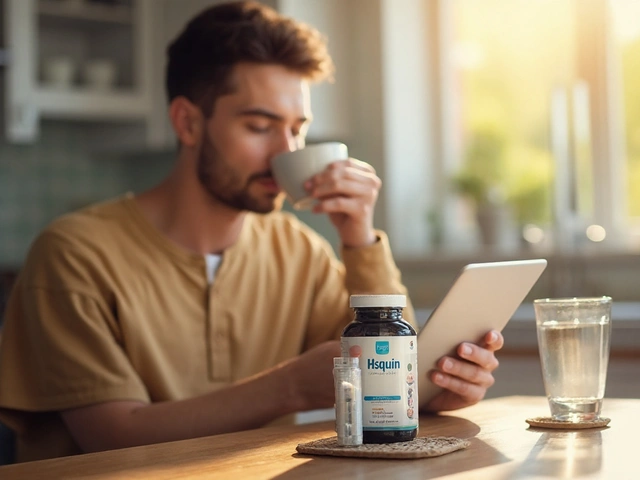
If you take only one piece of advice from this article, let it be this: keep your medications in their original pharmacy-labeled containers. It might feel inconvenient to carry bulky boxes instead of sleek pill organizers, but the risks of switching are high.
When you go through airport security or cross international borders, officials need to verify what you are carrying. A generic plastic organizer with unlabeled pills raises red flags. According to data from the Institute for Safe Medication Practices (ISMP), keeping meds in original containers reduces identification errors by over 92% during travel incidents.
Your original bottle must include:
- Your full name
- The prescribing doctor’s name
- The National Drug Code (NDC) number
- Clear dosage instructions
- The pharmacy’s contact information
Without these details, TSA agents or customs officers may confiscate your medication or subject you to lengthy secondary screenings, which can add an average of 22 minutes to your wait time. For international travel, many countries legally require prescriptions to match the passenger’s ID exactly. Transferring pills to a daily dispenser might save space, but it could cost you your medicine.
Navigating TSA Rules for Liquids and Gels
We all know the standard "3-1-1" rule for carry-ons: liquids must be 3.4 ounces (100ml) or less, fit in one quart-sized bag, and be limited to one bag per passenger. However, medical necessities get a pass-but you have to play by specific protocols.
TSA allows reasonable quantities of medically necessary liquids, gels, and aerosols in excess of 3.4 ounces. This includes insulin, liquid antibiotics, cough syrup, and breast milk. Here is how to handle them smoothly:
- Separate Them: Do not put your medical liquids in your standard toiletry bag. Declare them separately at the checkpoint.
- Notify the Officer: Tell the TSA officer that you have medical liquids before you place your items on the conveyor belt.
- Expect Screening: Officers may ask you to open the containers or test them with a vapor analyzer. They may also perform X-ray screening. If you prefer not to have your meds X-rayed, you can request a visual inspection, though this is less common now.
- Documentation Helps: While not always required, carrying a copy of your prescription or a doctor’s note speeds up the process significantly.
For larger volumes, you can fill out the TSA Medical Notification Form (TSA-1400) online before your trip. This doesn’t guarantee exemption from screening, but it signals to officers that your large liquid volume is legitimate.
Temperature Control: Protecting Your Cold Chain
Temperature is the silent killer of medication efficacy. About 87% of medications are stable between 68-77°F (20-25°C). However, refrigerated drugs like insulin, certain biologics, and some eye drops require strict temperatures between 36-46°F (2-8°C).
Exposing insulin to temperatures above 86°F (30°C) for just two hours can reduce its potency by over 37%. Conversely, freezing epinephrine auto-injectors (like EpiPens) can damage the mechanism or the drug itself. Here is how to manage temperature extremes:
For Refrigerated Medications
You cannot rely on hotel mini-fridges, as they are often not calibrated correctly and may freeze your meds. Instead, use FDA-cleared portable cooling solutions:
- Frio Wallets: These use evaporative cooling technology to maintain temperatures around 59°F (15°C) for up to 45 hours without electricity. They are ideal for short trips or backup storage.
- TempAid MedCooler: Designed specifically for travel, these coolers can maintain stability for 72 hours. Pre-freeze the gel packs for 12 hours at 0°F (-18°C) before use.
- Phase-Change Materials: Look for coolers validated to keep temps between 36-46°F. Avoid using ice directly against medication vials, as condensation and direct contact can cause freezing.
Avoiding Heat Traps
Never leave medications in a car glove compartment or trunk. On a sunny day, interior car temperatures can soar to 158°F (70°C), destroying most drugs rapidly. If you are driving, keep meds with you in the air-conditioned cabin. Similarly, avoid leaving bags on hot airplane seats or in sun-exposed areas during layovers.
International Travel: Customs and Legalities
Traveling abroad adds another layer of complexity. Laws regarding controlled substances, narcotics, and even common painkillers vary wildly by country. What is legal in the US might be illegal in Japan, Thailand, or Dubai.
To ensure smooth entry into foreign countries, follow these steps:
- Carry a Doctor’s Letter: Obtain a letter on official letterhead listing your diagnosis, medication names, dosages, and why they are medically necessary. This document is crucial for customs inspections.
- Check Country-Specific Bans: Some nations ban pseudoephedrine (found in cold medicines) or codeine. The International Association for Medical Assistance to Travellers (IAMAT) provides resources on local regulations.
- Limit Quantities: Only bring enough medication for your trip plus a few extra days for delays. Bringing months’ worth of supply can look suspicious to customs officials.
- Translate Labels: If possible, have your prescription translated into the local language or English, depending on the destination’s primary language.
Data shows that 78% of international travelers report smoother customs processing when they present proper documentation. Don’t risk having your meds confiscated at the border.
Packing Strategy: Carry-On vs. Checked Luggage
The single biggest mistake travelers make is checking their medication. Checked luggage is unpressurized, exposed to extreme temperatures, and prone to loss or delay. Always pack essential medications in your carry-on bag.
Here is a checklist for packing your carry-on:
- Essential Meds First: Pack at least a 3-day supply of all critical medications in your personal item (purse, backpack) in case your main carry-on gets lost.
- Electronics: If you use an insulin pump or CGM (Continuous Glucose Monitor), ensure batteries are accessible. FAA regulations allow lithium batteries under 100 watt-hours in carry-ons. Carry the FAA Special Authorization Form if required for specific devices.
- Ice Packs: If using ice packs for cooling, ensure they are frozen solid at the checkpoint. Gel packs that are partially slushy may be rejected as liquids.
- Disposal Supplies: Bring small sealable bags for disposing of used syringes or strips safely until you find a sharps container or hard-sided disposal unit at your destination.
Managing Time Zones and Dosing Schedules
Jet lag affects more than just your sleep; it disrupts your internal clock, which can impact how your body processes medication. For circadian rhythm drugs, thyroid hormones, or blood pressure meds, timing matters.
Consult your pharmacist or doctor at least 7 days before travel to adjust your schedule. A common strategy is to gradually shift your dosing time by 15 minutes each day leading up to the trip. Once you arrive, switch to the local time zone as soon as possible. Use smartphone alarms or apps designed for timezone medication tracking to avoid missed or double doses.
Can I bring my medication in a pill organizer through TSA?
While TSA does not strictly prohibit pill organizers, it is highly recommended to keep medications in their original labeled containers. Unlabeled pills can trigger additional screening, delays, or confiscation, especially during international travel where laws are stricter. If you must use an organizer, keep the original bottles in your checked luggage or carry a photocopy of the prescription label.
How do I keep insulin cold without a refrigerator?
Use specialized travel coolers like the Frio Wallet or TempAid MedCooler. These devices use phase-change materials or evaporative cooling to maintain safe temperatures (between 36-46°F or 2-8°C) for extended periods without electricity. Avoid placing insulin directly against ice, as freezing can ruin it.
Do I need a doctor's note for travel?
For domestic US flights, a doctor's note is not mandatory but helpful for large liquid quantities. For international travel, a doctor's letter on official letterhead is often required by customs to prove medical necessity, especially for controlled substances or injectables. It should list your name, diagnosis, medication names, and dosages.
Can I check my medication in my luggage?
It is strongly advised against checking essential medications. Checked baggage is exposed to extreme temperatures and has a higher risk of being lost or delayed. Always keep your daily supply in your carry-on bag, and ideally, split your supply between your carry-on and a personal item for redundancy.
What happens if my medication expires while traveling?
Expired medications may lose potency or become unsafe. Check expiration dates before you leave. If you are traveling long-term, plan ahead to refill prescriptions before they expire. Some pharmacies offer early refills for travelers (usually up to 5 days early under Medicare Part D guidelines). Consult your pharmacist for options.