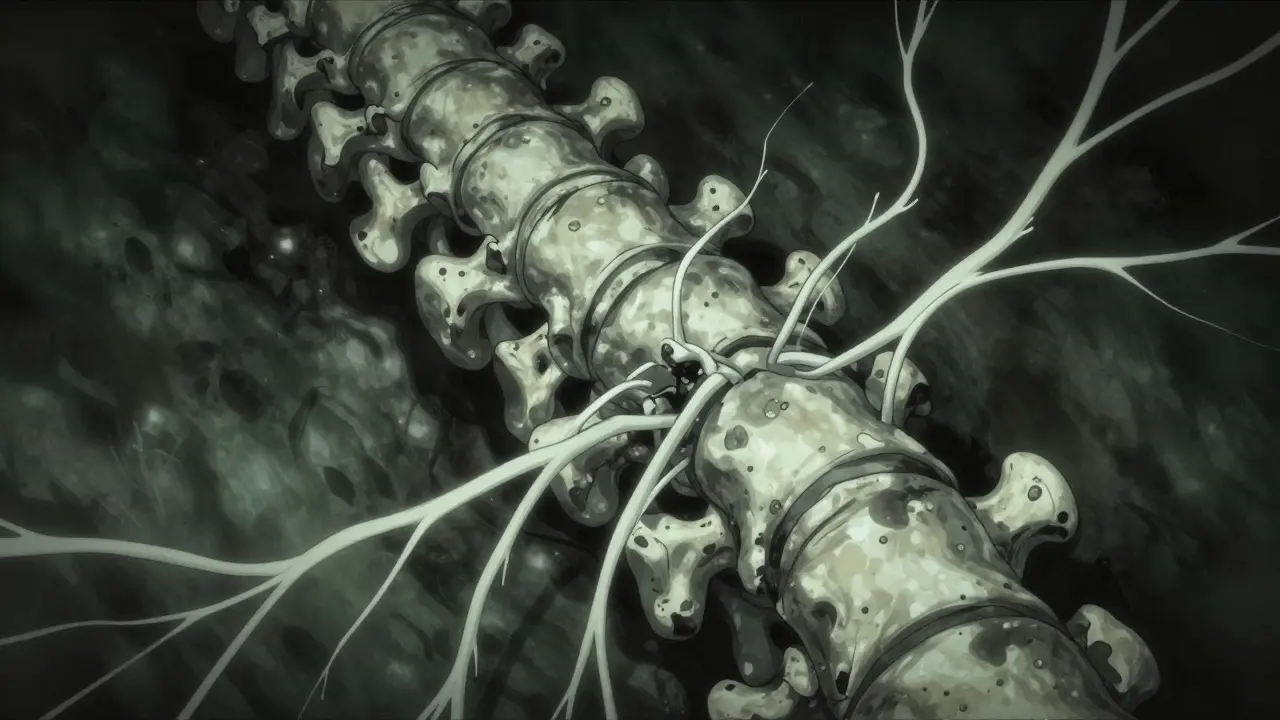
That sharp, electric shock sensation shooting down your arm or leg isn't just a nuisance; it's your nervous system screaming for attention. This is radiculopathy, a condition where nerve roots exit the spinal cord under pressure, causing pain, numbness, or weakness in specific patterns. Whether it starts in your neck (cervical) or lower back (lumbar), the experience is distinctively miserable. You might feel a burning ache that travels to your fingertips or a heavy drag in your foot when you walk. But here is the good news you need right now: approximately 85% of cases resolve with conservative management within 12 weeks. You do not automatically need surgery. You need a plan.
Understanding the Two Main Types
Radiculopathy isn't one-size-fits-all. The location of the pinched nerve dictates exactly how you feel and how we treat it. Knowing which type you have helps you communicate better with your doctor and stick to the right rehab protocol.
Cervical radiculopathy affects the nerves in your neck, specifically roots C1 through C8. It is surprisingly common, with studies showing that the C7 nerve root is compressed in 57% of cases, followed by C6 in 27%. If your pain shoots into your shoulder blade, down your arm, and ends in your thumb or index finger, you are likely dealing with C6 involvement. If it hits your middle finger and weakens your triceps, C7 is the culprit. Many people mistake this for simple shoulder strain, but the key difference is the dermatomal pattern-the pain follows the exact path of the nerve.
Lumbar radiculopathy, often called sciatica when it involves the S1 root, strikes the lower back nerves L1 through S5. Here, the L5 root is the most frequent victim (49% of cases), causing pain along the outer calf to the big toe and potentially leading to 'foot drop'-where you can't lift the front of your foot properly. The S1 root (43% of cases) sends pain down the back of the calf to the sole of the foot. Lumbar cases tend to be more disabling than cervical ones, with patients reporting higher disability scores and longer recovery times averaging 14.2 weeks compared to 11.1 weeks for neck issues.
Why Is This Happening? Causes by Age Group
The reason your nerve is angry depends heavily on your age. It’s not random; it’s mechanical wear and tear versus acute injury.
- Under 50 years old: In younger adults, herniated discs cause about 90% of radiculopathy cases. A disc bulges or ruptures, pressing directly on the nerve root. This often happens after lifting something heavy or a sudden twist.
- Over 50 years old: Degenerative changes take over. Spondylosis (arthritis of the spine) and foraminal stenosis (narrowing of the hole where the nerve exits) account for 78% of cervical cases. The bones grow spurs, and the space shrinks, trapping the nerve.
Work habits matter too. Occupational lifting increases the risk of lumbar radiculopathy by more than three times. Meanwhile, cervical radiculopathy has a stronger link to acute trauma, like whiplash from a car accident.
Diagnosing the Problem: Beyond the Guesswork
You cannot fix what you cannot see. While a physical exam checks your reflexes and strength, imaging confirms the compression. MRI (Magnetic Resonance Imaging) is the gold standard today. It offers 92% sensitivity for detecting cervical disc herniations, far surpassing older methods like CT myelography (78%). Modern AI-assisted software, approved recently, can even improve detection accuracy to nearly 97%, ensuring no subtle compression is missed.
If you have progressive neurological deficits-like your foot dragging consistently or your hand grip failing rapidly-you need immediate consultation. This is rare, but it signals severe damage that requires urgent intervention.
Conservative Management: The First Line of Defense
Surgery is rarely the first step. Expert consensus, including guidelines from the American College of Physicians, recommends 6-8 weeks of conservative care before considering invasive options. Here is why: 90% of cervical radiculopathy patients achieve significant improvement without surgery.
| Feature | Cervical Radiculopathy | Lumbar Radiculopathy |
|---|---|---|
| Most Common Cause (Under 50) | Herniated Disc (90%) | Herniated Disc (90%) |
| Resolution Rate (Conservative) | 89% within 6 months | 76% within 6 months |
| Average Recovery Time | 11.1 weeks | 14.2 weeks |
| Key Symptom Pattern | Arm/Hand weakness & pain | Leg/Foot weakness & pain (Sciatica) |
Medication plays a supportive role. Nonsteroidal anti-inflammatory drugs (NSAIDs) like ibuprofen reduce inflammation around the nerve. However, medication alone only shows 52% effectiveness in symptom reduction, whereas adding physical therapy boosts that to 68%. Relying solely on pills is a dead end for long-term relief.
Rehabilitation Protocols That Actually Work
This is where most people get stuck. They want a magic pill, but healing requires movement. Structured rehabilitation protocols follow a phased approach. Do not skip phases.
Phase 1: Acute Relief (Weeks 1-2)
Focus on activity modification and reducing inflammation. Avoid positions that trigger the electric shock pain. For cervical cases, gentle traction (5-10 lbs) may help open the neural foramen. For lumbar cases, short walks and avoiding prolonged sitting are key.
Phase 2: Mobility & Gentle Strength (Weeks 2-4)
Introduce range-of-motion exercises. For the neck, chin tucks and scapular retractions are highly effective, with 78% of patients reporting satisfaction. For the lower back, McKenzie extension exercises help centralize the pain (move it out of the leg and back into the spine).
Phase 3: Stabilization & Return to Function (Weeks 8-12)
Now you build resilience. Dynamic stabilization exercises strengthen the deep muscles supporting the spine. Consistency is critical here. Patients who adhere strictly to home exercise programs recover 47% faster. Missing sessions or being inconsistent is the number one reason people fail to improve.
When Injections and Surgery Enter the Picture
What if rehab isn’t enough? Epidural steroid injections (ESIs) are a common next step. There is debate here. Some specialists report them as 'life-changing,' while systematic reviews show only moderate short-term pain relief (2-6 weeks) with no long-term benefit over placebo. They can buy you time to continue physical therapy, but they are not a cure.
Surgery is reserved for the 15% of cases that don’t resolve conservatively or those with severe neurological loss. Procedures like microdiscectomy remove the tissue pressing on the nerve. Success rates are high, but the recovery is still required. Always exhaust conservative options first unless your symptoms are catastrophic.
Preventing Recurrence: Lifestyle Adjustments
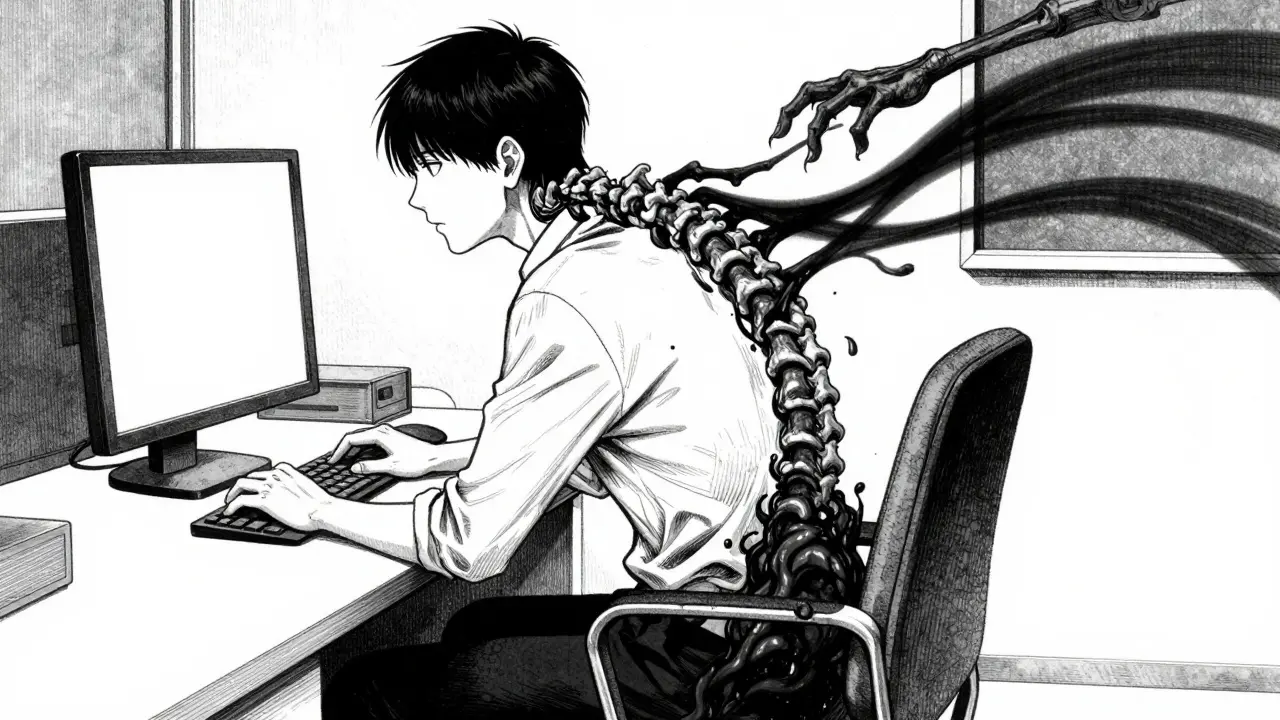
Healing is not permanent if you return to the behaviors that caused the injury. Ergonomics matter. Office workers who modify their workstations see a 32% reduction in symptoms. Use a chair with proper lumbar support, keep screens at eye level to avoid neck strain, and take breaks every 30 minutes to move.
Sleep position also impacts nerve health. For cervical radiculopathy, a supportive pillow that maintains neutral neck alignment is crucial. For lumbar issues, sleeping on your side with a pillow between your knees can relieve pressure on the lower back.
How long does radiculopathy last?
Most cases (85%) resolve within 12 weeks with conservative treatment. Cervical radiculopathy typically heals in about 11 weeks, while lumbar radiculopathy may take closer to 14 weeks. Chronic cases lasting beyond 6 months require re-evaluation of the treatment plan.
Can radiculopathy go away on its own?
Yes, many mild cases improve naturally as inflammation subsides. However, active rehabilitation speeds up recovery significantly. Passive waiting often leads to muscle weakness and longer recovery times.
Yes, many mild cases improve naturally as inflammation subsides. However, active rehabilitation speeds up recovery significantly. Passive waiting often leads to muscle weakness and longer recovery times.
What exercises are best for cervical radiculopathy?
Chin tucks, scapular retractions, and gentle cervical traction are most effective. These movements open the spaces where nerves exit the spine and reduce compression. Avoid looking up for extended periods during the acute phase.
Are epidural steroid injections worth it?
They provide moderate short-term pain relief (2-6 weeks) for some patients, which can help you participate in physical therapy. However, they do not offer long-term cures and should not replace structured rehab exercises.
When should I consider surgery for radiculopathy?
Surgery is considered if you have progressive neurological deficits (like worsening weakness or foot drop), cauda equina syndrome (loss of bowel/bladder control), or if pain remains severe after 6-8 weeks of consistent conservative care.