Benadryl Overdose: Symptoms, Risks, and What to Do
When someone takes too much Benadryl, an over-the-counter antihistamine containing diphenhydramine, often used for allergies, sleep, or cold symptoms. Also known as diphenhydramine, it’s one of the most commonly misused medications because people think it’s harmless. But taking more than the recommended dose can lead to serious, even life-threatening effects. It’s not just about drowsiness—too much Benadryl can mess with your heart, brain, and breathing.
People often overdose accidentally. Maybe they took extra because symptoms didn’t go away, or they combined it with another sleep aid, or they thought, "It’s just an antihistamine, how bad could it be?" But diphenhydramine toxicity, the medical term for Benadryl overdose. Also known as antihistamine overdose, it causes confusion, rapid heartbeat, seizures, hallucinations, and in severe cases, coma or death. Kids and older adults are especially at risk. A child might swallow a few pills out of curiosity. An older adult might take multiple doses thinking it’ll help them sleep better. Both situations are common—and both can turn dangerous fast.
The body can’t handle large doses of diphenhydramine. It blocks acetylcholine, a key brain chemical, which is why you get dry mouth and blurry vision at normal doses. But when you overdose, your brain goes into overdrive—hallucinations, extreme agitation, fever, and muscle rigidity can follow. Your heart rate spikes. Your blood pressure drops or surges. Your breathing slows. These aren’t side effects you can just wait out. They need emergency care.
And it’s not just about pills. Some liquid cold medicines, sleep gels, and even topical creams contain diphenhydramine. People don’t realize they’re doubling up. You might take Benadryl for allergies, then grab a nighttime cold syrup that also has it. That’s how overdoses happen quietly—no one means to hurt themselves, but the math adds up.
If you or someone else takes too much, don’t wait. Call poison control or go to the ER. Don’t try to induce vomiting unless a professional tells you to. Bring the bottle with you. The sooner treatment starts, the better the outcome. Doctors use activated charcoal, IV fluids, and sometimes medications to reverse the effects. Time matters.
There’s a myth that because Benadryl is sold over the counter, it’s safe in any amount. That’s false. Every medication has a limit. And when you cross it, the risks aren’t theoretical—they’re real, immediate, and sometimes fatal. This collection of articles doesn’t just list symptoms. It shows you what actually happens when people take too much, how to recognize the warning signs before it’s too late, and what to do when things go wrong.
Below, you’ll find real cases, expert advice, and clear steps to protect yourself and others. No fluff. No guesses. Just what you need to know to stay safe.
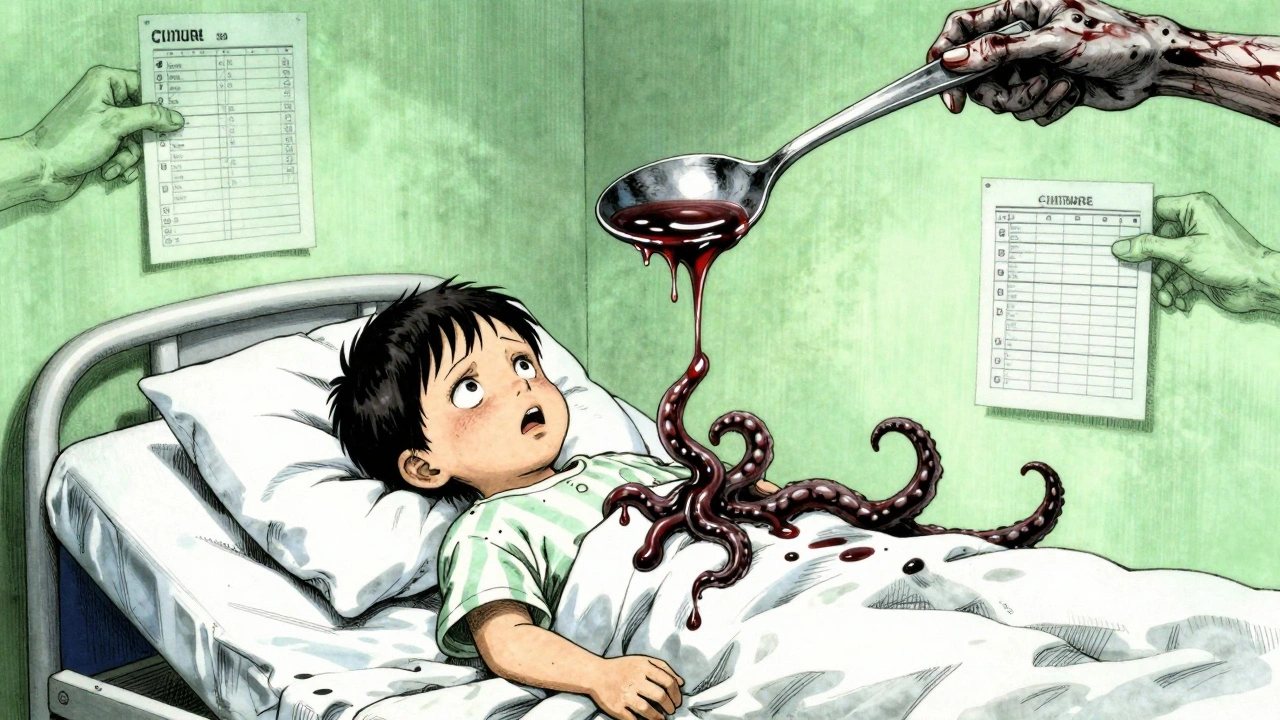
Pediatric Antihistamine Dosing Errors: How to Prevent Dangerous Side Effects
Pediatric antihistamine dosing errors cause thousands of emergency visits each year. Learn how to avoid dangerous mistakes with Benadryl, Zyrtec, and Claritin by using weight-based dosing, oral syringes, and avoiding kitchen spoons.