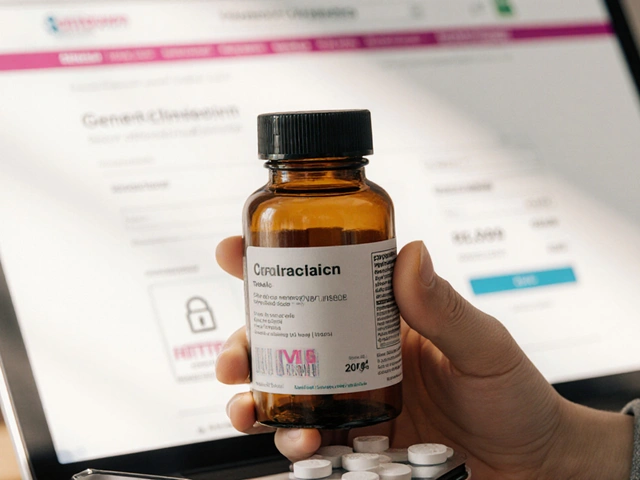
Cetirizine Safety: What You Need to Know About Allergy Med Side Effects and Risks
When you take cetirizine, a common antihistamine used to treat allergies like hay fever and hives. Also known as Zyrtec, it's one of the most popular over-the-counter options for sneezing, runny nose, and itchy eyes. But safety isn't just about whether it works—it's about what happens when you take it every day, for months, or alongside other meds.
Cetirizine is generally safe for most adults and kids over 2, but it’s not risk-free. The most common side effect? Drowsiness. Not everyone gets it, but enough people do that driving or operating heavy machinery after taking it isn’t a good idea. Unlike older antihistamines like diphenhydramine, cetirizine doesn’t usually cause dry mouth or blurry vision—but it can still make you feel tired, especially at higher doses. People with kidney problems need lower doses because the body clears it slower. And if you’re taking other sedatives, alcohol, or sleep aids, combining them with cetirizine can make drowsiness worse, sometimes dangerously so.
There’s also the question of long-term use. Some people take cetirizine daily during allergy season—or even year-round. Studies show it’s generally well-tolerated over time, but that doesn’t mean it’s harmless. Rare cases of liver issues and weight gain have been reported. It doesn’t cause heart rhythm problems like some older antihistamines, but if you have a history of heart disease or are on other meds that affect your heart, talk to your doctor first. And while it’s not addictive, stopping it suddenly after months of use can sometimes cause itching or rebound symptoms. That’s not an allergy flare—it’s your body adjusting.
What about kids? Cetirizine is approved for children as young as 2, but dosing matters. A 4-year-old doesn’t need the same amount as a 12-year-old. Always check the label or ask your pharmacist. And if you’re pregnant? It’s considered low risk, but no drug is 100% risk-free during pregnancy. Talk to your OB-GYN before using it regularly.
And here’s something most people don’t think about: antihistamine safety, how different allergy meds stack up in terms of side effects and interactions. Cetirizine is one of the safer choices, but it’s not the only one. Loratadine (Claritin) is less likely to cause drowsiness. Fexofenadine (Allegra) doesn’t interact with grapefruit juice. And if you’re using nasal sprays or eye drops instead of pills, you might avoid systemic side effects altogether. Knowing these differences helps you pick the right tool for your body.
What you’ll find below are real, practical posts that dig into the details most websites skip. You’ll see how cetirizine compares to other allergy meds, what to watch for if you’ve been taking it for years, why some people react differently, and how to spot when a side effect is just annoying versus when it’s a red flag. No fluff. No marketing. Just what you need to know to use cetirizine safely—and when to try something else.

Pediatric Antihistamine Dosing Errors: How to Prevent Dangerous Side Effects
Pediatric antihistamine dosing errors cause thousands of emergency visits each year. Learn how to avoid dangerous mistakes with Benadryl, Zyrtec, and Claritin by using weight-based dosing, oral syringes, and avoiding kitchen spoons.