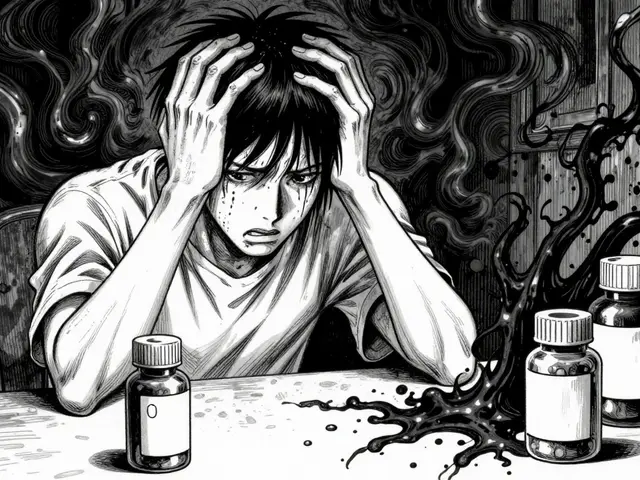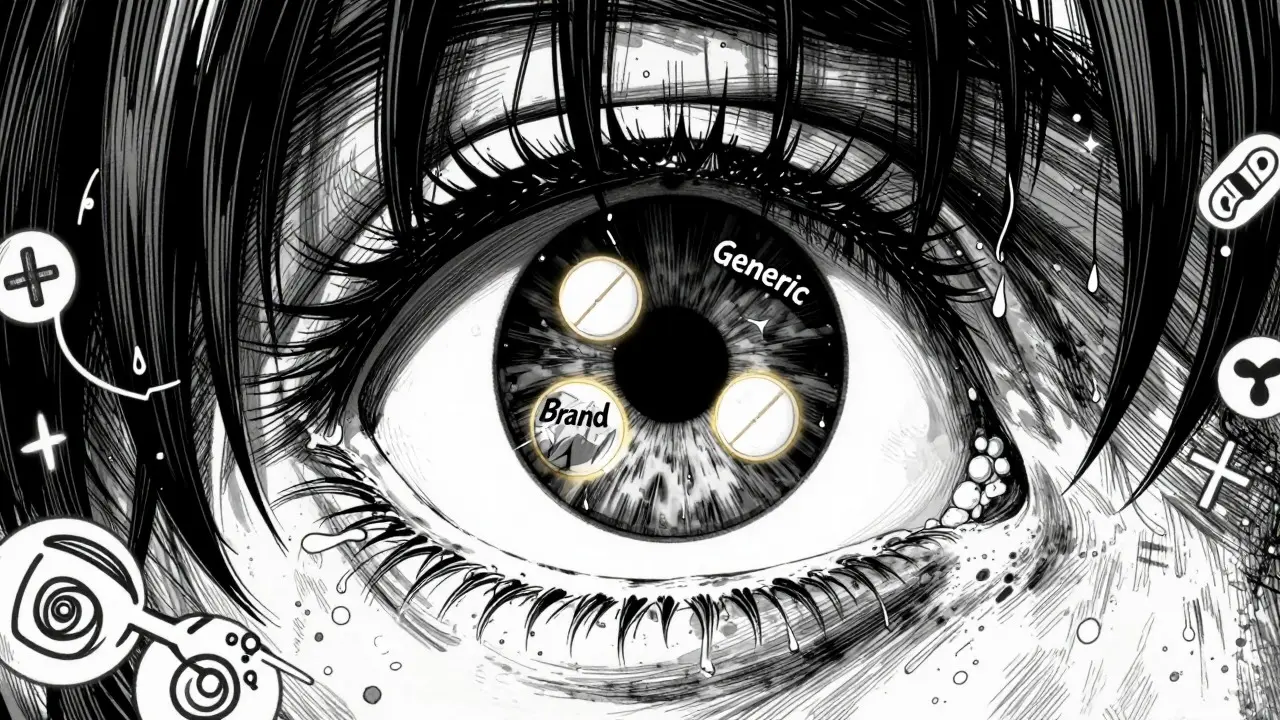
Have you ever taken a pill that felt like it didn't work, only to find out later it was chemically identical to one that did? You aren't imagining things. The label on your medicine bottle might be doing more than just identifying the drug-it could be changing how your body responds to it.
This is known as the labeling effect, which describes how patient perception of medication labels influences therapeutic outcomes and adherence despite identical chemical composition. It’s a powerful psychological phenomenon where the words "generic" or "brand-name" trigger different expectations, altering pain relief, side effects, and even whether you keep taking the medication at all.
What Is the Labeling Effect?
The labeling effect isn't about the chemistry inside the pill. It’s about the story your brain tells itself when you see the name on the bottle. When researchers started looking into this in earnest, they found that our minds are wired to associate higher cost and fancy branding with better results. This creates a self-fulfilling prophecy in healthcare.
A landmark study published in the European Journal of Public Health in 2019 by Tiumalu et al. put this to the test. They gave 72 participants identical placebo pills-sugar pills with no active ingredients. Half were labeled as "brand-name," and half as "generic." The results were stark. In the group that thought they were taking generics, 54% stopped taking the pills before the seven-day trial ended. In the brand-name group, only 33% quit. Even more telling, those who believed they had generics reported significantly higher pain levels and were twice as likely to take extra, non-prescribed pills to compensate.
Your brain expects certain things from a product based on its packaging. If you believe a generic drug is "lesser," your body may literally produce less relief. This is the power of expectation in medicine.
The Psychology Behind Brand vs. Generic
Why does a sticker change the outcome? It comes down to two opposing forces: the placebo effect and the nocebo effect.
- The Placebo Effect: When you believe a treatment will work, your brain releases neurotransmitters that can actually reduce pain and improve symptoms. Brand names often carry an aura of trust and efficacy, boosting this positive response.
- The Nocebo Effect: Conversely, if you expect negative outcomes-like side effects or lack of efficacy-your body can manifest those very issues. Generic labels, often associated with lower quality in the public eye, can trigger this negative anticipation.
In a 2016 study by Faasse et al., published in Psychology & Health, researchers looked at headache sufferers. Some took real ibuprofen, others took placebos. But here’s the twist: the placebos were labeled either as brand-name or generic. The brand-name placebo reduced pain almost as much as the real drug (3.2 cm vs. 3.0 cm on a pain scale). The generic placebo? It barely worked (1.8 cm reduction).
Dr. Keith Petrie, a professor of clinical psychology, noted that branding conferred a treatment benefit even without an active ingredient. Meanwhile, generic-labeled tablets failed to produce this psychological boost. For conditions heavily reliant on subjective experience-like anxiety, depression, or chronic pain-this gap matters immensely.
Does This Mean Generics Are Less Effective?
Scientifically? No. Legally and medically, generic drugs must be bioequivalent to their brand-name counterparts. In the United States, the FDA requires generics to demonstrate that they deliver the same amount of active ingredient into your bloodstream within a specific timeframe (typically 80-125% of the reference drug's parameters). Chemically, they are twins.
However, there is a nuance. While the active ingredient is the same, inactive ingredients (fillers, dyes, binders) can differ. For most people, this makes no difference. But for a small subset of patients with rare allergies or sensitivities, these differences can cause reactions. More importantly, the perception of difference drives the labeling effect.
| Feature | Brand-Name Drugs | Generic Drugs |
|---|---|---|
| Active Ingredient | Identical | Identical |
| Cost | High (often 10x more) | Low (80-85% cheaper) |
| Patient Perception | Higher trust, stronger placebo effect | Skepticism, potential nocebo effect |
| Adherence Rates | Generally higher | Lower due to labeling bias |
| Regulatory Approval | Full clinical trials required | Bioequivalence demonstration required |

Hidden Risks: Label Discrepancies
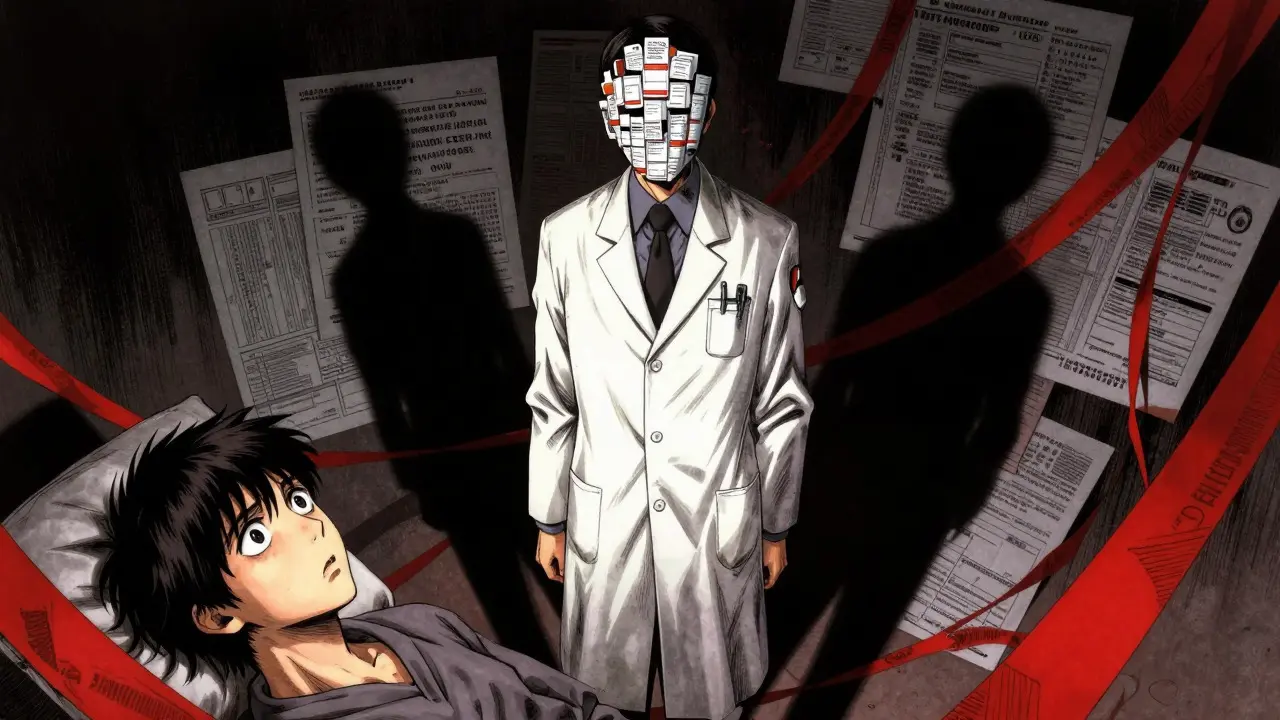
While the active drug is the same, the paperwork isn't always perfectly aligned. A 2020 study in Pharmacy by Thoenes et al. analyzed 31 drug products and found that 100% had misalignments between the Summary of Product Characteristics (SmPC) for the originator brand and the generic version.
It wasn’t just minor formatting issues. Nearly half (48.4%) of the labels showed critical potential influence on patients. In some cases, discrepancies could lead to severe or life-threatening impacts if not caught. These inconsistencies often accumulate over time because there is no systematic process forcing generic manufacturers to update their labels in lockstep with the original brand every time new safety data emerges.
This doesn't mean generics are unsafe, but it highlights a systemic issue in regulatory oversight. For high-risk medications, these gaps can erode trust further, feeding back into the labeling effect.
Who Is Most Affected?
The labeling effect doesn't hit everyone equally. Research shows it disproportionately affects patients with lower health literacy. In the 2019 European Journal of Public Health study, patients with low health literacy had a discontinuation rate of 67% for generic-labeled placebos, compared to 41% for those with high literacy.
If you don't fully understand how drug approval works, you’re more likely to fall back on heuristics: "Expensive means good, cheap means bad." This is particularly dangerous for chronic conditions like hypertension or diabetes, where consistent adherence is vital. Skipping doses because you think the generic "isn't working" can lead to hospitalizations.
Conditions with strong psychosomatic components-such as insomnia, mild anxiety, and tension headaches-are also highly susceptible. Since the brain plays a larger role in symptom management for these issues, the psychological boost of a brand name becomes a tangible medical advantage.
How Doctors and Patients Can Bridge the Gap
We can’t ignore the economics. Generic drugs account for over 90% of prescriptions in the US but only about 23% of spending, saving billions annually. Abandoning them isn't an option. Instead, we need to manage the perception.
Healthcare providers play a crucial role. Simply handing a prescription to a pharmacist isn't enough. Explicitly stating, "This generic is therapeutically equivalent to [Brand Name]," can reset patient expectations. A 2023 trial in the Journal of Clinical Pharmacy and Therapeutics found that adding the phrase "therapeutically equivalent to [brand name]" to generic labels reduced discontinuation rates from 52% to 37%.
For patients, education is key. Understanding that the FDA rigorously tests generics for bioequivalence can alleviate fear. Initiatives like the GPhA’s "Generic You Can Count On" campaign aim to shift this narrative. Trust is built through transparency, not just marketing.
The Future of Drug Labeling
The industry is waking up to this issue. The FDA released draft guidance in 2023 on improving patient understanding of generic equivalence. We are moving toward a future where labeling might include clearer statements of equivalence directly on the box, reducing ambiguity.
Experts predict "risk-proportionate labeling" within the next five years, where high-stakes medications will require stricter alignment between brand and generic documentation. Until then, awareness is our best tool. Knowing that the label affects your response empowers you to separate fact from feeling, ensuring you get the full benefit of your treatment, regardless of the price tag.
Are generic drugs exactly the same as brand-name drugs?
Yes, regarding the active ingredient. By law, generics must contain the same active ingredient in the same dose and strength. They must also meet the same standards for purity, stability, and bioavailability. However, inactive ingredients like fillers and colors may differ, which rarely causes issues but can affect perception.
Why do I feel worse on my generic medication?
This is likely the nocebo effect, a part of the labeling effect. If you subconsciously believe the generic is inferior, your brain may amplify side effects or minimize relief. While rare allergies to inactive ingredients exist, psychological expectation is a far more common driver of perceived differences.
Should I ask my doctor for the brand name instead?
Only if you have a documented sensitivity to generic fillers or if the labeling effect severely impacts your adherence despite counseling. For most patients, generics are safe and effective. Switching to brands unnecessarily increases costs for both you and the healthcare system without providing additional chemical benefit.
What is bioequivalence?
Bioequivalence means the generic drug enters your bloodstream at a similar rate and extent as the brand-name drug. Regulatory agencies typically require the generic to perform within 80-125% of the brand's pharmacokinetic profile, ensuring it works just as well in the body.
Can doctors help mitigate the labeling effect?
Yes. Studies show that when doctors explicitly state that a generic is equivalent to the brand name, patient confidence and adherence improve. Clear communication helps override negative biases associated with the word "generic."">