Every pill, injection, or inhaler you take comes with a label. But how many of you actually read it - and understand what it says? If you’ve ever stared at a prescription bottle, confused by tiny print, Latin abbreviations, or a list of warnings that feel like a legal contract, you’re not alone. In fact, 68% of patients in a 2022 survey said they struggled to understand their medication labels. That’s not just inconvenient - it’s dangerous. Medication errors linked to misunderstood labels contribute to thousands of hospital visits and even deaths every year.
What’s on a Prescription Drug Label?
Prescription labels in the U.S. follow a strict format set by the FDA. They’re built for doctors and pharmacists first, not patients. The full label, called the Full Prescribing Information (FPI), has 17 sections. But you won’t see all of that on the bottle. What you get is a simplified version with the essentials:- Patient name - Double-check this. Giving someone else’s medicine is a common error.
- Medication name - This includes both the brand name (like Abstral) and the generic name (fentanyl). Always know both.
- Strength - How much of the drug is in each dose? Example: 100 micrograms per tablet.
- Dosage instructions - How much and how often? Look for phrases like “take one tablet by mouth every 6 hours as needed for pain.”
- Date filled - Helps you track when the prescription was last refilled.
- Pharmacy name and phone - Keep this handy if you have questions.
- Refills - How many times you can get it refilled before needing a new prescription.
- Expiration date - After this date, the drug may not work as well or could become unsafe.
- Storage instructions - “Store at room temperature,” “Refrigerate,” or “Protect from light.”
That’s the basics. But here’s what most people miss: the reason you’re taking the drug. That’s often left off the label - even though studies show adding the indication (like “for high blood pressure” or “for migraines”) reduces medication errors by up to 42%.
What’s on an Over-the-Counter (OTC) Label?
OTC drugs - like ibuprofen, allergy pills, or cough syrup - follow a different rule: the Drug Facts label. It’s designed for you, the consumer. It’s clearer, shorter, and standardized across all brands. Here’s what you’ll always find:- Active ingredient - The chemical that actually works. For example, “ibuprofen” in Advil or “loratadine” in Claritin.
- Purpose - What the active ingredient does. “Pain reliever,” “antihistamine,” “decongestant.”
- Uses - What symptoms it treats. “Relieves headaches,” “reduces runny nose.”
- Warnings - When NOT to take it. Includes allergies, other drugs to avoid, pregnancy concerns, and side effects to watch for.
- Directions - How much to take, how often, and for how long.
- Inactive ingredients - Fillers, dyes, or flavors. Important if you have allergies (like gluten or dye sensitivities).
- Other information - Storage tips, lot number, expiration date.
Unlike prescription labels, OTC labels don’t hide critical info. If you’re unsure, compare the active ingredient to your prescription. Taking two medicines with the same active ingredient - like acetaminophen - can lead to overdose. That’s how people end up in the ER.
Why Prescription Labels Are So Hard to Read
Prescription labels were never meant to be patient-friendly. They were built for healthcare professionals who already know the drug’s full profile. That creates a gap. A 2011 study found only 36% of patients could correctly interpret standard prescription labels. And it’s not just about the text - it’s the design.- Small font - Many labels use print so small it’s unreadable without glasses.
- Abbreviations - “q.d.” means once daily. “b.i.d.” means twice daily. “t.i.d.” is three times a day. These are outdated and confusing. The FDA and safety groups recommend spelling out “once daily” instead.
- Similar-sounding names - Hydroxyzine (for anxiety) vs. hydralazine (for blood pressure). A single letter mix-up can be deadly. Tall man lettering (like HYDROXYZINE vs. HYDRALAZINE) helps, but it’s not always used.
- Too much jargon - “Renally adjusted dosing,” “hepatic impairment,” “CYP450 interactions” - these terms are meaningless to most people.
And it’s worse for older adults. A 2022 Medicare report found that 54% of seniors had trouble reading small print on labels. That’s one in two people over 65 at risk of taking the wrong dose.
What You Should Do Right Now
You don’t need to be a pharmacist to understand your meds. Here’s what to do every time you get a new prescription:- Check your name - Is it spelled right? Is it yours?
- Match the name - Does the generic or brand name match what your doctor told you?
- Read the dosage - “Take one tablet” - but is that once a day or three times? Don’t guess.
- Ask about the reason - “Why am I taking this?” If the label doesn’t say, ask the pharmacist. It’s your right to know.
- Check for interactions - Are you taking other meds? Ask if they’re safe together. Even OTC drugs like aspirin or melatonin can interact.
- Verify the expiration date - Old medicine doesn’t work. Some can become toxic.
- Ask for a Medication Guide - For high-risk drugs (like opioids, blood thinners, or cancer meds), the FDA requires a separate patient handout. Request it.
And if you’re still confused? Don’t feel bad. Even nurses and doctors admit they struggle. One nurse with 12 years of experience posted on Reddit: “I still can’t quickly find the dose on some labels.”
What’s Changing in Drug Labeling
The system is slowly improving. The FDA is working on a new standard called Patient Medication Information (PMI). It’s a one-page, easy-to-read summary - like a Drug Facts label but for prescriptions. It will include:- Why you’re taking the drug
- How to take it (in plain language)
- What to expect (side effects)
- When to call your doctor
- Storage and disposal instructions
By 2026, these will be required for high-risk medications. It’s a big step. The goal? Reduce errors by making labels work for the people who actually take the pills - not just the people who write the scripts.
Meanwhile, more pharmacies are adding patient-centered features: larger fonts, color-coded alerts, multilingual labels, and even QR codes that link to video instructions. Independent pharmacies are leading the way - 63% have adopted these changes, compared to just 41% of big chain pharmacies.
When to Call Your Pharmacist
Your pharmacist is your best ally. They’re trained to explain labels - and they’re paid to make sure you’re safe. Call them if:- You don’t recognize the pill shape or color
- The dosage seems too high or too low
- You’re taking multiple pills and aren’t sure when to take each
- You’ve had side effects you didn’t expect
- You’re pregnant, breastfeeding, or have kidney or liver issues
A 2021 study showed that when pharmacists took 5 extra minutes to explain the label, medication errors dropped by 29%. That’s not magic - it’s communication.
Final Thought: Your Health Is Your Responsibility
Medication safety isn’t just about the drug. It’s about the label. It’s about asking questions. It’s about double-checking. And it’s about refusing to accept confusing, outdated formats.You’re not supposed to be a medical expert. But you are the one who swallows the pill. You’re the one who lives with the side effects. You deserve a label that makes sense.
Next time you pick up a prescription, don’t just grab it and go. Take 60 seconds. Read it. Ask. Then do it again next time. Because in the world of medicine, understanding the label isn’t optional - it’s life-saving.
What’s the difference between generic and brand-name drug labels?
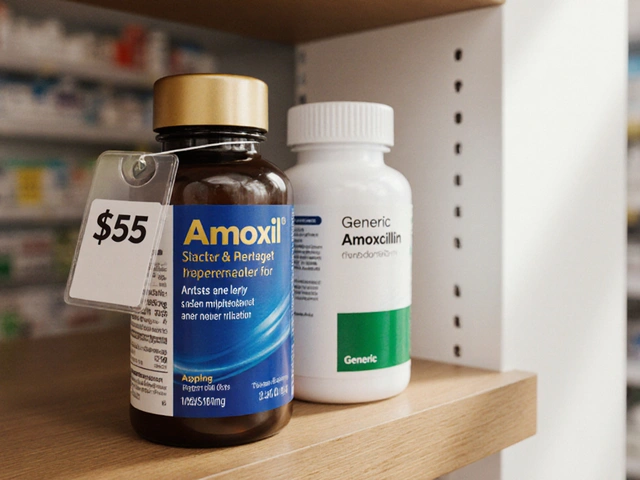
The active ingredient, dosage, strength, and safety info are identical. The only differences are the brand name, inactive ingredients (like fillers or dyes), and packaging. Generic labels must meet the same FDA standards as brand-name ones. You’re getting the same medicine - just cheaper.
Can I trust the expiration date on my medication?
Yes - but with a caveat. The expiration date is the last day the manufacturer guarantees full potency and safety. Most drugs remain safe past that date, but their effectiveness can drop. For critical meds like insulin, epinephrine, or antibiotics, never use them past expiration. For pain relievers or antihistamines, they may still work, but don’t rely on them if they’re more than a year past the date.
Why do some labels say “take with food” and others say “take on an empty stomach”?
It’s about absorption. Some drugs are absorbed better with food - like statins or antibiotics - because food helps them dissolve. Others are broken down by stomach acid if taken with food, so they must be taken empty-stomach to work properly. Always follow the label. If you’re unsure, ask your pharmacist.
What should I do if my label doesn’t match what my doctor told me?
Don’t take it. Call the pharmacy immediately. Mistakes happen - wrong dosage, wrong drug, wrong patient. It’s rare, but it does happen. Always verify the name, dose, and instructions before leaving the pharmacy. If the pharmacy says it’s correct, call your doctor’s office to confirm.
Are QR codes on medication labels safe to scan?
Yes - if they’re from a legitimate pharmacy or drug manufacturer. QR codes now link to official FDA-approved videos or instructions. But never scan a QR code on a label from an unknown online seller. Only trust codes on bottles from licensed U.S. pharmacies. If you’re unsure, skip the code and call your pharmacist instead.



15 Comments
Jay Ara
December 28, 2025 AT 07:51 AMjust read the damn label next time bro
Michael Bond
December 28, 2025 AT 08:21 AMSo simple. So vital. Why don’t more people do this?
Kuldipsinh Rathod
December 28, 2025 AT 23:21 PMi always ask my pharmacist to explain it in hindi or tamil if i dont get it. they dont mind. really helped me after my stroke
SHAKTI BHARDWAJ
December 29, 2025 AT 01:33 AMoh wow another ‘read the label’ lecture like its 2005 and we’re all idiots who cant read 8pt font while juggling three kids and a full time job
Matthew Ingersoll
December 29, 2025 AT 11:40 AMIn Japan, all prescription labels include a QR code that plays a 30-second video in the patient’s native language. Why is the U.S. still using typewriter-era design?
carissa projo
December 31, 2025 AT 00:44 AMMedication labels are a silent betrayal - the system promises safety but delivers confusion. We treat patients like data points, not humans who swallow pills every morning with trembling hands and a prayer. The real crisis isn’t the drug - it’s the indifference in the design. You don’t need a PhD to know that if your grandma can’t read it, it’s broken.
josue robert figueroa salazar
December 31, 2025 AT 23:51 PMthe system is rigged. pharmacists get paid to push pills not explain them. read the label? sure. but who has time when you’re working two jobs and your insurance only covers 3 refills a year?
david jackson
January 1, 2026 AT 16:59 PMLet’s be real - prescription labels are designed by people who’ve never taken a pill in their life. I once spent 45 minutes Googling ‘b.i.d.’ because my pharmacist just handed me a bottle with no context. I’m 32, college-educated, and I still feel like a child being handed a puzzle with no box art. And now they want us to trust QR codes? What if the link dies? What if the video is in Spanish? What if the pharmacy uses a third-party vendor that went bankrupt in 2021? This isn’t innovation - it’s a gamble with people’s lives.
Jody Kennedy
January 3, 2026 AT 11:08 AMSTOP waiting for the system to fix itself. Grab your phone. Call your pharmacist. Ask the question. Do it now. Your life is worth 60 seconds.
Dan Alatepe
January 4, 2026 AT 10:52 AMin nigeria we just show the bottle to the chemist and say ‘this one make me feel funny’ 😅 they know what to do. no labels needed.
Angela Spagnolo
January 5, 2026 AT 00:13 AM...I...I didn’t know about the ‘reason’ being missing... I’ve been taking metformin for 7 years and never asked why... I just assumed... oh god... I need to call my doctor... I’m so sorry... I didn’t know...
Joanne Smith
January 6, 2026 AT 22:48 PMOh wow, a whole article about reading labels? Groundbreaking. Next you’ll tell us water is wet and gravity exists. Meanwhile, my 82-year-old mother took her neighbor’s blood pressure pill because the bottle looked ‘similar’ - and yes, she’s fine now. Thanks, FDA.
Prasanthi Kontemukkala
January 7, 2026 AT 14:07 PMMy aunt in Kerala reads her labels aloud to her grandson so he learns how to help her. It turned into a family ritual. Now all of us check our meds together. Small thing. Big impact.
Alex Ragen
January 8, 2026 AT 11:55 AMLet’s not pretend this is about ‘patient empowerment’ - it’s about cost-cutting. The pharmaceutical-industrial complex doesn’t want you to understand your meds; it wants you to comply. The PMI initiative? A PR stunt. The real reform would be banning Latin abbreviations and mandating plain-language labeling - but that would require accountability. And accountability is expensive.
Sarah Holmes
January 10, 2026 AT 08:35 AMHow dare you suggest that patients are responsible for deciphering corporate legalese designed to shield manufacturers from liability? This isn’t about ‘reading the label’ - it’s about systemic neglect masquerading as personal responsibility. You blame the victim for not being a medical cryptographer while the FDA approves labels written by lawyers, not clinicians. This isn’t education - it’s abuse wrapped in a pamphlet.