Why do so many people still doubt generic drugs?
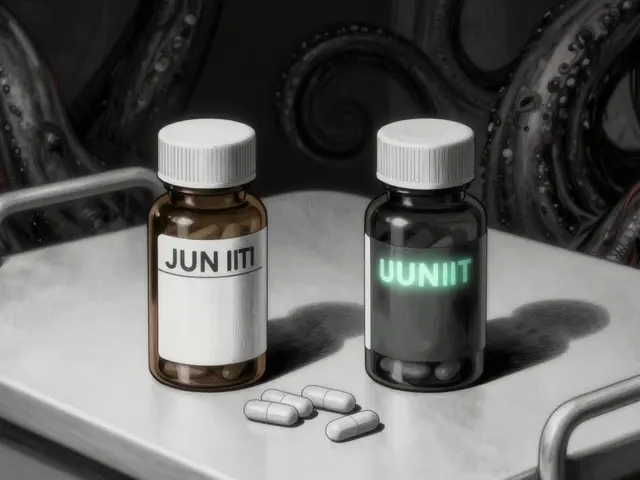
Imagine you’re at the pharmacy, holding two pills: one with a fancy logo, another plain and white. The pharmacist says they’re the same. But you’ve heard stories-someone’s cousin took a generic and felt worse. Your brain says: generic must mean cheaper, weaker, second-rate. You’re not alone. In 2023, nearly 4 out of 10 Medicare patients still believed generic drugs weren’t as good as brand names-even though the FDA has required them to work the same since the 1980s.
The truth? Generic drugs save Americans over $300 billion every year. But if people don’t trust them, they keep buying the expensive version. That’s not just bad for wallets-it’s bad for health. People skip doses because they think the cheaper option won’t work. Or they switch back to brand names, costing the system billions.
What exactly makes a generic drug "the same"?
Here’s the simple version: a generic drug has the same active ingredient, same strength, same way of taking it (pill, liquid, injection), and works the same way in your body as the brand name. That’s not marketing speak. It’s federal law.
The FDA doesn’t approve a generic unless it delivers between 80% and 125% of the same amount of medicine into your bloodstream as the brand. That’s called bioequivalence. It’s not a guess. It’s tested in labs with real people. For example, if you take 20mg of esomeprazole (the generic for Nexium), your body absorbs almost exactly the same amount as if you took the brand. The same goes for atorvastatin (Lipitor generic), metformin (Glucophage generic), or sertraline (Zoloft generic).
What’s different? The color. The shape. The filler ingredients-like lactose or cornstarch. Those don’t affect how the medicine works. Think of it like buying store-brand cereal. Same oats, same sugar, same nutrition. Just no cartoon mascot on the box.
How do language guides actually help patients understand?
Most patient handouts are written for scientists, not people. They use words like "pharmacokinetics" and "bioavailability." That’s not helpful. Good consumer language guides cut the jargon.
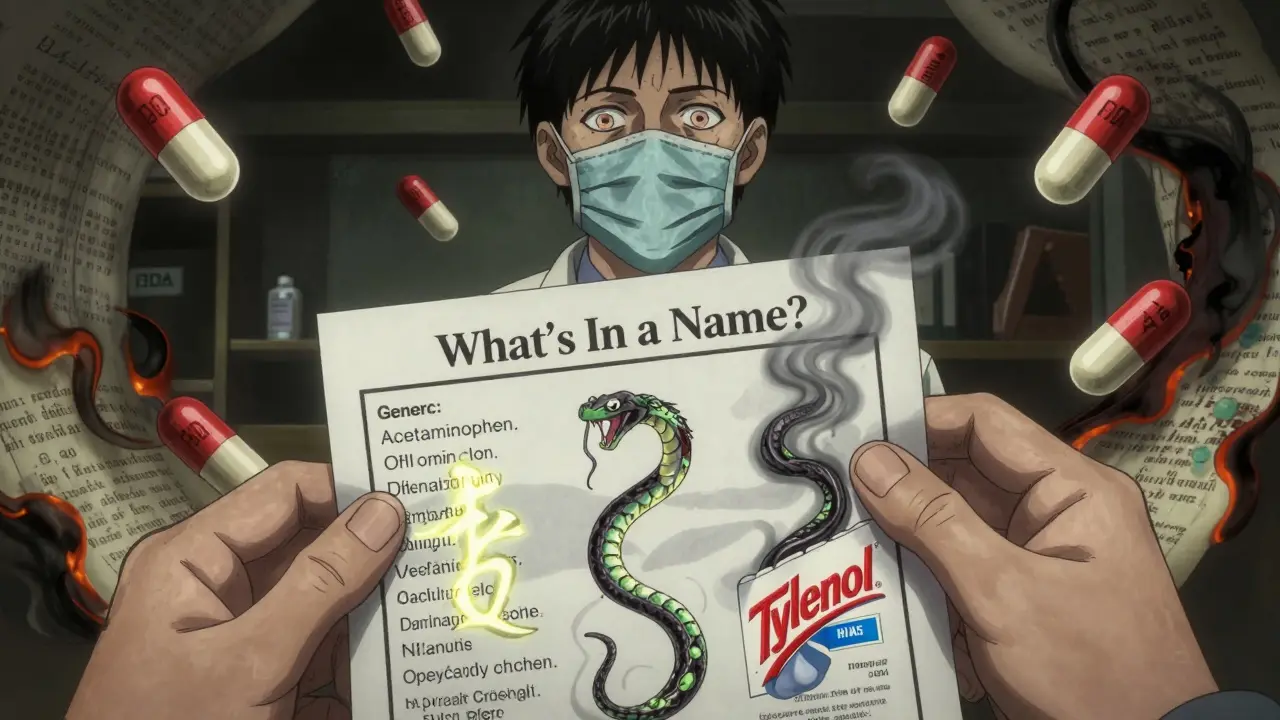
Take the FDA’s "What’s In a Name?" chart. It shows three columns: chemical name (N-(4-hydroxyphenyl)acetamide), generic name (acetaminophen), brand name (Tylenol). Simple. Clear. No fluff. A 2022 survey found that 82% of pharmacists said this single chart reduced patient confusion more than any other tool.
Other guides use analogies: "Tylenol is to acetaminophen like Kleenex is to tissues." Or: "It’s like buying the same coffee beans from a store instead of Starbucks-same beans, less money." These aren’t just cute tricks. A 2021 study showed patients who heard explanations like these understood the concept 37% better than those who got standard medical pamphlets.
Pharmacies now train staff to spend just 90 seconds explaining generics using three key points:
- The active ingredient is identical.
- The FDA requires it to work the same way.
- You’ll save an average of $387 per prescription.
Are there exceptions? When might a brand still matter?
Yes. And that’s where bad guides go wrong.
Some drugs have what’s called a "narrow therapeutic index." That means even tiny differences in how the body absorbs the medicine can cause problems. For these, some doctors still prefer brand names-though not always for good reasons.
Levothyroxine (for thyroid problems) is the most common example. Studies show that switching between different generic brands can sometimes cause slight changes in hormone levels. That’s why the American Association of Clinical Endocrinologists recommends sticking with one brand or generic maker if you’re on this drug.
Another is phenytoin (for seizures). A 2010 study found some generic versions were linked to slightly higher seizure rates. The FDA took note. Today, authorized generics-brand-name drugs sold under a generic label-are often recommended for these cases because they’re made in the same factory, with the same formula.
Good language guides don’t pretend all generics are identical. They say: "For most drugs, generics work the same. For a few, like levothyroxine or phenytoin, your doctor might suggest sticking with one version. Ask them which one’s best for you."
What’s changing in 2025-and why it matters
Things are shifting fast. In January 2025, all Medicare Part D plans are required to give patients generic education materials that meet federal health literacy standards. That means no more confusing brochures. No more 12-point font in tiny print. No more passive voice like "This medication should be taken once daily." Now it’s: "Take one pill every morning."
Pharmacies are also rolling out digital tools. At Kaiser Permanente, patients now get personalized messages in their patient portal: "Your generic atorvastatin works just like Lipitor. Here’s how much you saved this month: $214."
And AI is stepping in. Pilot programs are testing chatbots that adjust explanations based on how much a patient already knows. If you say you’re worried about side effects, the bot gives you more detail. If you say "I just want to save money," it keeps it simple.
Where to find trustworthy guides (and what to avoid)
You don’t need to dig through academic papers. Here are the best places to look:
- FDA’s Generic Drugs website (updated quarterly)-the gold standard. Includes charts, videos, and plain-language FAQs.
- Academy of Managed Care Pharmacy’s consumer toolkit-free, printable guides for common meds like blood pressure pills and diabetes drugs.
- Your pharmacist-ask them for their printed guide. Most chains (CVS, Walgreens, Walmart) now use the same FDA-approved template.
Avoid anything that says: "All generics are exactly the same." That’s not true. Avoid anything that says: "Generics are unsafe." That’s false. And avoid anything that doesn’t mention the FDA. If it doesn’t cite a trusted source, don’t trust it.
What to ask your doctor or pharmacist
Don’t be shy. These questions take 30 seconds-and could save you hundreds:
- "Is there a generic version of this drug?"
- "Is it safe for me to switch?"
- "Are there any drugs where I should stick with the brand?"
- "Can I get the authorized generic?" (That’s the brand made by the same company, just without the name on the bottle.)
If your pharmacist says "yes" to generics, ask them to show you the FDA chart comparing the names. That visual alone helps more than a 10-minute lecture.
Bottom line: Generics work. But only if you believe it.
Generic drugs aren’t a compromise. They’re the same medicine, sold at a fraction of the cost. The science is solid. The savings are real. The only thing holding people back is misinformation.
Language guides aren’t about dumbing things down. They’re about making the truth clear. When patients understand that a generic isn’t a downgrade-it’s just the same drug without the brand name-they take their meds more often. They feel better. And the system saves billions.
Next time you’re handed a generic pill, don’t assume it’s second best. Ask. Look. Understand. And save money-without sacrificing your health.
Are generic drugs really as effective as brand names?
Yes. The FDA requires generic drugs to have the same active ingredient, strength, dosage form, and route of administration as the brand name. They must also deliver the same amount of medicine into your bloodstream-within 80% to 125% of the brand’s level. This is called bioequivalence. Over 98% of approved generics meet this standard. Millions of people take generics every day with the same results as the brand.
Why do generics look different from brand-name drugs?
By law, generics can’t look exactly like the brand name. That’s to avoid confusion and trademark issues. So they may be a different color, shape, or size. The fillers inside (like lactose or starch) might be different too. But none of that affects how the medicine works. The active ingredient-the part that treats your condition-is identical.
Can I switch between different generic brands?
For most medications, yes. But for a few-like levothyroxine (for thyroid), phenytoin (for seizures), or warfarin (a blood thinner)-small differences in how your body absorbs the drug can matter. If you’re on one of these, your doctor may recommend sticking with the same generic maker or even the brand. Always ask before switching between generics.
What’s an "authorized generic"?
An authorized generic is the exact same drug as the brand name, made by the same company-but sold without the brand name on the label. It’s not a copy. It’s the original. These often have lower switch-back rates than regular generics because they’re identical in every way, including the fillers and manufacturing process.
Why do some doctors still prefer brand names?
Some doctors are used to prescribing the brand. Others may have seen rare cases where a patient reacted differently after switching. But research shows that for 95% of drugs, generics work just as well. The FDA and major medical groups now agree: unless there’s a specific reason (like a narrow therapeutic index drug), generics are the best choice. Always ask your doctor why they recommend one over the other.
How can I tell if a generic is FDA-approved?
All legally sold generics in the U.S. must be FDA-approved. Check the label: it should list the generic name and manufacturer. You can also look up the drug on the FDA’s website under "Approved Drug Products with Therapeutic Equivalence Evaluations" (Orange Book). If you’re unsure, ask your pharmacist to confirm it’s FDA-approved. Never buy generics from websites that aren’t licensed pharmacies.


10 Comments
doug b
January 27, 2026 AT 21:45 PMGenerics saved me $400 last month on my blood pressure med. Same pill, same results. Why pay extra for a logo?
Stop letting marketing fool you.
Mel MJPS
January 29, 2026 AT 18:06 PMI used to be skeptical too until my grandma switched to generic levothyroxine and her TSH levels stayed perfect. She’s 78 and still hiking. The science checks out.
Trust the FDA, not the fear.
Kathy Scaman
January 31, 2026 AT 10:46 AMMy pharmacist showed me the FDA chart last week and I cried. Not because I was sad-because I realized I’d been overpaying for years.
Why isn’t this taught in high school?
Mindee Coulter
February 1, 2026 AT 20:48 PMMy mom still refuses generics because she thinks they’re made in China and that’s scary
But she’s also still using a flip phone so idk what to tell her
Kevin Kennett
February 3, 2026 AT 01:41 AMLet’s be real-most people don’t know what bioequivalence means. That’s why those 90-second pharmacy explainers are genius.
Simple language isn’t dumbing down. It’s lifting people up.
And yeah, the $387 savings? That’s lunch for a month. Or a gas tank. Or rent for a week.
Stop letting pride cost you your health.
Jess Bevis
February 4, 2026 AT 04:46 AMGeneric = same active ingredient.
Brand = same active ingredient + fancy packaging + ads.
Choose wisely.
Howard Esakov
February 4, 2026 AT 05:32 AMOh wow, another feel-good piece about generics. How quaint.
Let’s ignore the fact that some generics have inconsistent fillers that cause real side effects.
And that the FDA’s 80-125% window is a joke when you’re talking about anticoagulants.
It’s not anti-generic-it’s anti-ignorance.
Also, who approved this article? A marketing intern? 😏
Timothy Davis
February 5, 2026 AT 19:36 PMActually, your entire post is dangerously oversimplified.
Let’s talk about the 2018 study in JAMA where 12% of patients on generic sertraline reported increased anxiety after switching-despite bioequivalence.
And the 2023 meta-analysis showing higher non-adherence rates with generics due to stigma, not efficacy.
You’re not educating. You’re performing education.
Also, the FDA doesn’t test every batch. They test 1 in 10,000. That’s not oversight. That’s roulette.
And don’t get me started on the corporate collusion between big pharma and authorized generics.
Stop pretending this is black and white.
Irebami Soyinka
February 6, 2026 AT 17:46 PMY’all in the US act like generics are some revolutionary idea 😂
We in Nigeria have been using generics since the 90s because we had no choice.
And guess what? We didn’t die.
Our hospitals don’t have fancy logos-they have results.
Also, if you think $387 is a lot, try paying for meds in Naira.
And yes, I’ve taken generic metformin for 8 years. Still alive. Still sane. Still not crying over a white pill.
Stop acting like you’re brave for using generics. We were doing it before you even knew what a pharmacy was 🤷♀️💊
SRI GUNTORO
February 8, 2026 AT 16:34 PMPeople who trust generics are the same people who think vaccines are safe and that climate change is real.
They’re also the ones who vote for people who don’t care about them.
It’s not about the pill. It’s about who you are.
And if you’re still buying brand names? You’re part of the problem.
Wake up.