You’ve tried the diets. You’ve tracked your steps. Maybe you’ve even taken those new GLP-1 medications that everyone is talking about. But if you’re here reading this, conservative measures haven’t given you the lasting results you need to manage severe obesity. Now, you’re facing a bigger decision: which surgical path will actually work for your body and your life?
In the world of bariatric surgery, medical procedures designed to treat severe obesity by altering the digestive system, two options dominate the conversation. There’s the gastric bypass (specifically Roux-en-Y), the older, more complex veteran with powerful metabolic effects. Then there’s the sleeve gastrectomy (or gastric sleeve), the newer, simpler procedure that has become the most popular choice in the United States.
This isn't just about picking a surgery; it's about picking a lifestyle change. One might give you faster weight loss but come with stricter nutritional rules. The other might be safer initially but leave you hungrier down the road. Let’s break down exactly how they differ, what the data says about long-term success, and how to decide which one fits your specific health profile.
How They Work: Restriction vs. Malabsorption
To understand why these surgeries produce different results, you have to look at what the surgeon is actually doing inside your abdomen. Both are typically performed laparoscopically-meaning through small keyhole incisions rather than one large cut-and both aim to reduce the amount of food you can eat. But their mechanisms diverge significantly after that point.
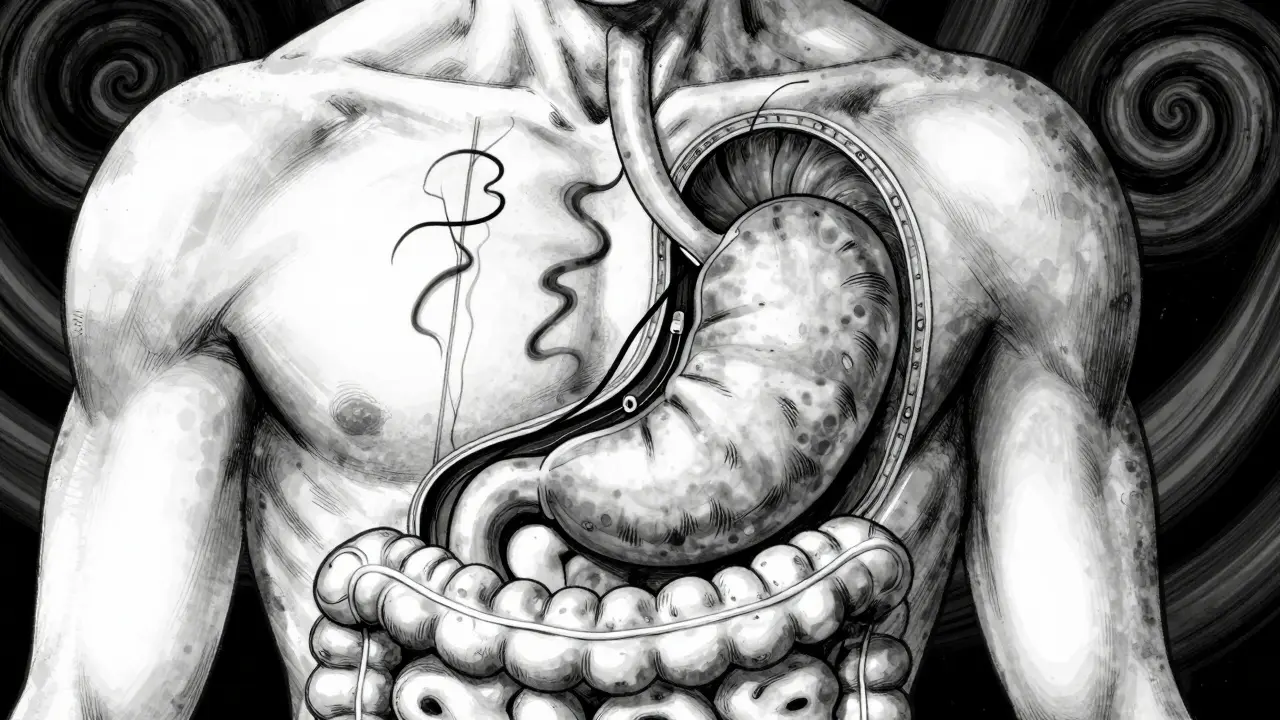
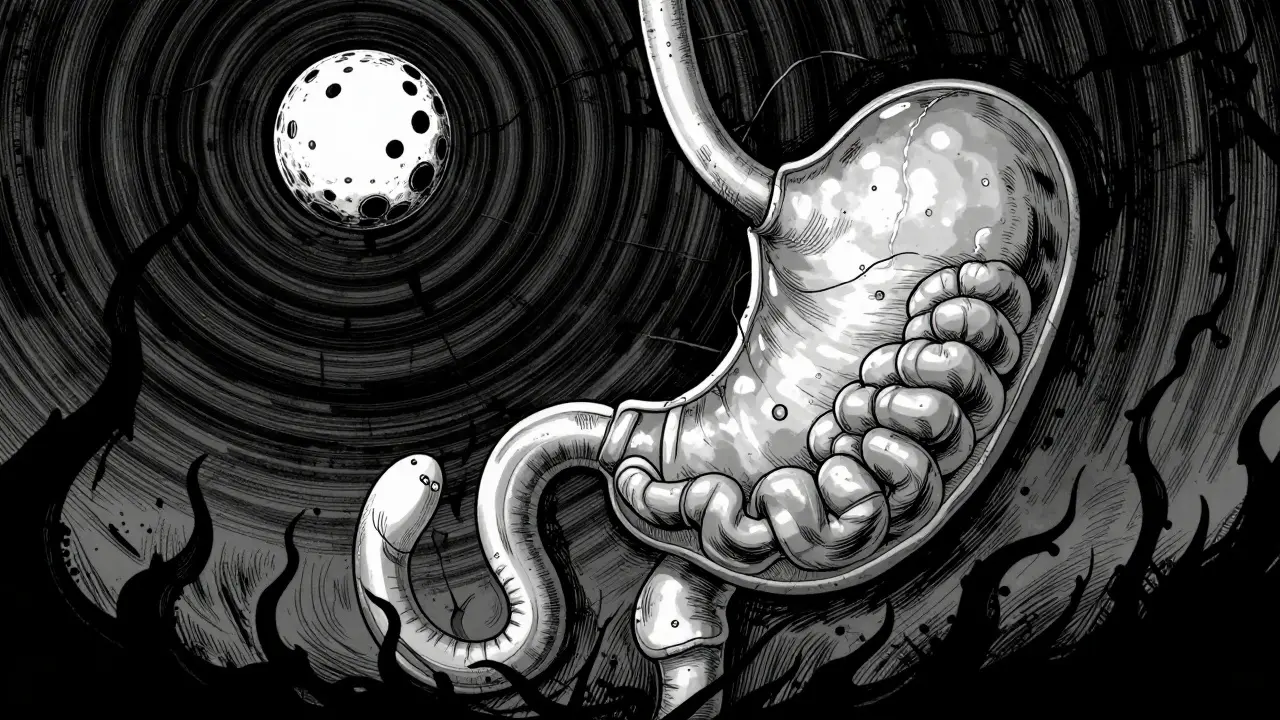
Sleeve gastrectomy is primarily a restrictive procedure. The surgeon removes about 80% of your stomach, leaving behind a narrow, banana-shaped tube with a capacity of only 2 to 5 ounces. Because your stomach is smaller, you feel full much faster. It also removes the part of the stomach that produces ghrelin, the "hunger hormone," which helps curb appetite naturally. It’s a straightforward removal job. No rerouting of intestines, no dumping of nutrients.
Roux-en-Y gastric bypass (RYGB) is more complex. The surgeon creates a tiny pouch at the top of your stomach-about the size of a golf ball or slightly less-and then connects that pouch directly to the middle section of your small intestine. This does two things. First, it restricts how much you can eat, similar to the sleeve. Second, and crucially, it bypasses the first part of your small intestine and most of your stomach. This means your body absorbs fewer calories and nutrients from the food you do eat. This is called the malabsorptive component.
The complexity matters. In a 2024 study published in JAMA Network Open involving over 1,700 patients, the average operating time for a sleeve was 47 minutes. For a gastric bypass, it averaged 68 minutes. That extra 20 minutes reflects the technical difficulty of reconnecting the intestines and closing internal spaces to prevent hernias. While both are considered safe, the bypass is inherently a more invasive reconstruction of your anatomy.
Weight Loss Outcomes: Speed and Scale
If your primary goal is maximum weight loss, the data generally favors the gastric bypass. However, "maximum" doesn't mean the sleeve fails. Both procedures lead to significant, life-changing weight reduction for most patients.
Here is how the numbers typically stack up based on clinical trials and long-term cohort studies:
- Gastric Bypass: Patients typically lose 60% to 80% of their excess weight within the first 12 to 18 months. A major 2018 clinical trial showed that at the five-year mark, bypass patients had lost approximately 57% of their excess weight.
- Sleeve Gastrectomy: Patients usually lose 60% to 70% of their excess weight over a similar timeframe, but often at a slower, steadier pace. That same 2018 trial found sleeve patients lost about 49% of their excess weight at five years.
The difference becomes clearer when looking at metabolic conditions. Dr. Amir Ghaferi, Director of the Michigan Bariatric Surgery Collaborative, notes that the malabsorptive nature of the bypass contributes to superior resolution rates for type 2 diabetes compared to the sleeve. If you have severe insulin resistance or long-standing diabetes, the bypass’s ability to alter gut hormones and nutrient absorption often provides a stronger metabolic "reset."
However, don't underestimate the sleeve. For many people, losing nearly half to two-thirds of their excess weight is enough to resolve sleep apnea, lower blood pressure, and improve mobility. The gap between the two procedures is narrowing as surgical techniques improve, but the bypass still holds the edge for sheer volume of weight lost.
| Feature | Sleeve Gastrectomy | Gastric Bypass (RYGB) |
|---|---|---|
| Mechanism | Restrictive only (removes 80% of stomach) | Restrictive + Malabsorptive (reroutes intestine) |
| Avg. Weight Loss (5 yrs) | ~49% of excess weight | ~57% of excess weight |
| Operating Time | ~47 minutes | ~68 minutes |
| Recovery Complexity | Lower (fewer dietary restrictions) | Higher (strict nutrition monitoring needed) |
| GERD Outcome | Can worsen or cause reflux | Often resolves reflux symptoms |
| Revision Rate | Higher (more likely to need follow-up surgery) | Lower (more durable long-term result) |
Risks, Safety, and Long-Term Health
This is where the trade-offs get real. The gastric bypass offers more weight loss, but it comes with a higher initial risk profile. The sleeve is technically simpler and safer in the short term, but it may require more interventions later.
A massive 2022 cohort study published in PMC looked at nearly 95,000 Medicare beneficiaries. The findings were stark. At five years post-surgery, the mortality rate for sleeve patients was 4.27%, while for bypass patients, it was 5.67%. That’s an absolute difference of 1.4 percentage points, representing a 32.8% relative increase in mortality risk for the bypass group. The study also found that bypass patients faced higher risks of immediate complications like leaks and infections due to the complexity of the intestinal rerouting.
However, safety isn't just about surviving the first few years. It’s about whether the surgery lasts. The same study revealed a critical flip side: sleeve patients were significantly more likely to need a revision surgery within five years. Why? Because some patients regain weight or develop severe acid reflux (GERD) after the sleeve. When that happens, surgeons often convert the sleeve into a gastric bypass to fix the problem. So, while the bypass starts with higher risk, it tends to be more "durable"-it keeps working better over the decades without needing a second operation.
Nutritional deficiencies are another major differentiator. Because the bypass skips part of your intestine, your body struggles to absorb Vitamin B12, iron, calcium, and folate. You will need lifelong, high-dose supplementation and regular blood tests (biannually recommended by the American Society for Metabolic and Bariatric Surgery). Sleeve patients also take vitamins, but the risk of severe deficiency is much lower because the intestinal tract remains intact.
Quality of Life: Dumping Syndrome and Reflux
Numbers tell one story, but daily living tells another. Two specific side effects heavily influence patient satisfaction: dumping syndrome and gastroesophageal reflux disease (GERD).
Dumping Syndrome is a common occurrence after gastric bypass, affecting 50% to 70% of patients according to UPMC data. It happens when sugary or fatty foods move too quickly from the stomach pouch into the small intestine. Symptoms include nausea, cramping, diarrhea, sweating, and dizziness. While unpleasant, many patients view dumping syndrome as a helpful deterrent-it teaches you to avoid junk food because you physically cannot tolerate it. Sleeve patients rarely experience dumping syndrome, which means they have to rely more on willpower to resist high-calorie foods.
GERD (Acid Reflux) works in reverse. If you currently suffer from severe heartburn or hiatal hernia, the gastric bypass is often the preferred choice because it diverts acid away from the esophagus, frequently resolving reflux symptoms permanently. The sleeve, however, increases pressure inside the remaining stomach tube, which can worsen existing reflux or cause new onset GERD. If you have uncontrolled acid reflux, a sleeve might not be the right tool for you.
Patient reviews on platforms like RealSelf reflect this tension. Gastric bypass has a slightly higher "Worth It" rating (91% vs 89%), but patients report higher complication rates (18% vs 12%). Sleeve patients praise the easier recovery and less strict diet, but many complain about persistent hunger cravings years later. Bypass patients complain about the strictness but celebrate the dramatic initial drop in weight and hunger.

Cost, Insurance, and Practical Logistics
Let’s talk money. Bariatric surgery is expensive, but insurance often covers it if you meet National Institutes of Health (NIH) criteria: a BMI of 40 or higher, or a BMI of 35 or higher with serious comorbidities like diabetes or hypertension. Note that some insurers, like UnitedHealthcare, have tightened these rules recently, requiring a BMI of 45 for coverage in certain cases.
When insurance covers the standard 80% of costs, the out-of-pocket difference is noticeable. According to Healthcare Bluebook data from Q3 2024, the average out-of-pocket cost for a sleeve gastrectomy is around $14,500. For a gastric bypass, it jumps to approximately $19,300. That’s a 25% price premium for the bypass, driven by the longer operating room time and higher complexity.
Recovery times are similar for both-most people stay in the hospital for just one day and return to light activities within 2 to 4 weeks. However, the mental load differs. Bypass patients must adhere to a rigid schedule of protein shakes, purees, and soft foods for months, along with meticulous vitamin tracking. Sleeve patients have a smoother dietary transition, though they still must prioritize protein and hydration.
Who Should Choose Which Procedure?
There is no single "best" surgery. The right choice depends on your specific medical history, your psychological readiness, and your tolerance for risk versus reward.
Consider Gastric Bypass if:
- You have severe type 2 diabetes and want the highest chance of remission.
- You suffer from chronic, painful GERD or a hiatal hernia.
- You struggle with binge eating and think the "dumping syndrome" effect would help deter you from sugar.
- You are willing to commit to lifelong, strict vitamin supplementation and frequent blood work.
- You prioritize maximum weight loss potential over surgical simplicity.
Consider Sleeve Gastrectomy if:
- You have mild or no acid reflux issues.
- You want a simpler surgery with a shorter operating time and lower immediate risk of complications.
- You are concerned about long-term nutritional deficiencies or malabsorption.
- You prefer a procedure that doesn’t involve rerouting your intestines.
- You have a lower BMI (e.g., 35-40) and don’t need the aggressive metabolic impact of a bypass.
Ultimately, this decision requires a deep conversation with a multidisciplinary team-surgeons, dietitians, and psychologists. They will evaluate your anatomy, your habits, and your health goals to guide you toward the option that offers the best balance of safety and efficacy for your unique situation.
Which surgery has a lower risk of death?
According to a large 2022 study of Medicare beneficiaries, sleeve gastrectomy has a lower five-year mortality rate (4.27%) compared to gastric bypass (5.67%). The sleeve is technically simpler and carries fewer immediate surgical risks.
Will I need more surgery later if I choose the sleeve?
Yes, statistically speaking. Data shows that sleeve patients have a higher rate of needing revision surgery within five years compared to bypass patients. This is often due to weight regain or the development of severe acid reflux, which may require converting the sleeve into a bypass.
Does gastric bypass cure diabetes?
It can put type 2 diabetes into remission for many patients. The malabsorptive component and changes in gut hormones associated with gastric bypass often lead to superior diabetes resolution rates compared to the sleeve gastrectomy, especially for those with long-standing diabetes.
What is dumping syndrome?
Dumping syndrome is a condition where food moves too fast from the stomach to the small intestine, causing nausea, cramping, diarrhea, and dizziness. It is common in gastric bypass patients (affecting 50-70%) but rare in sleeve patients. Many bypass patients use it as a behavioral tool to avoid sugary foods.
How much does bariatric surgery cost out of pocket?
With insurance covering the typical 80%, out-of-pocket costs average around $14,500 for a sleeve gastrectomy and $19,300 for a gastric bypass, based on 2024 healthcare data. Costs vary significantly by region and provider network.