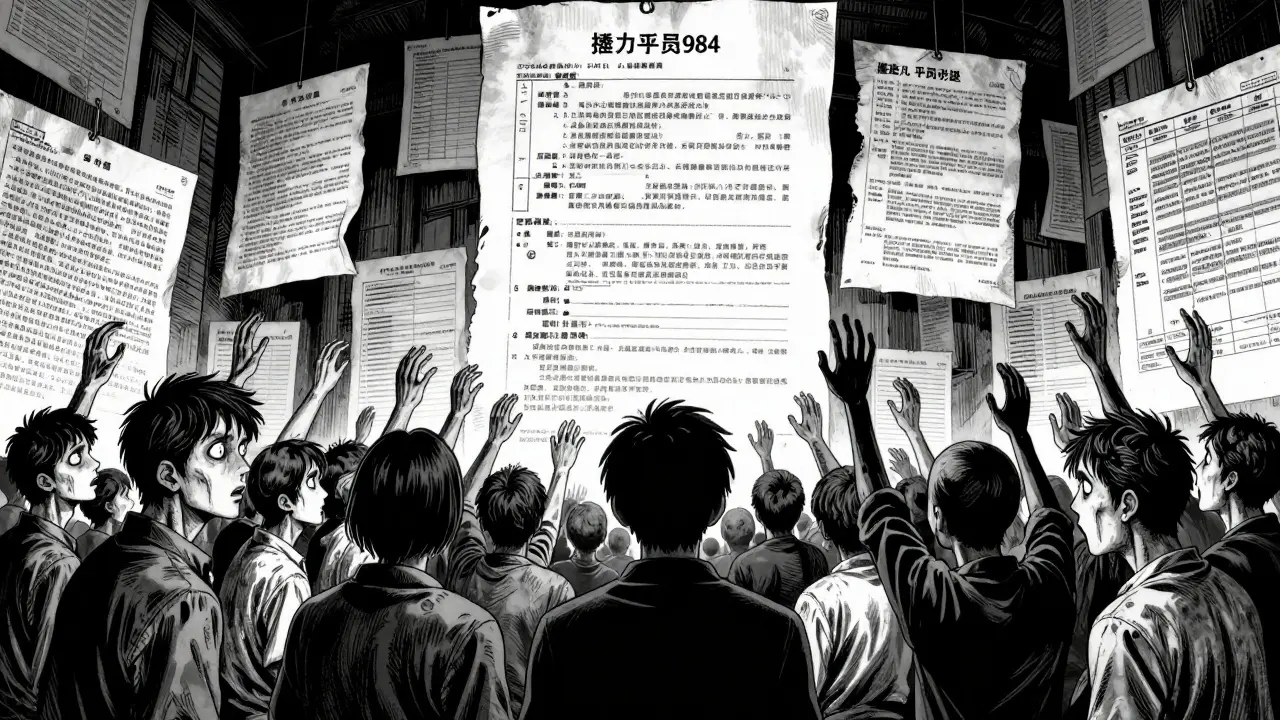
Imagine a world where every single generic drug had to undergo the same massive, multi-million dollar clinical trials as the original brand-name version. For decades, that was the reality in the U.S. pharmaceutical market. It wasn't just a bureaucratic hurdle; it was a financial wall that kept cheap medicines out of reach for most people. Everything changed in 1984 with the Hatch-Waxman Act is formally known as the Drug Price Competition and Patent Term Restoration Act of 1984, a landmark piece of legislation that balanced the need for pharmaceutical innovation with the public's need for affordable medicine.
Before this law, the generic market was a ghost town. In 1983, generics held less than 19% of the market share. Today, they account for roughly 90% of all prescriptions dispensed. How did we get from there to here? It came down to a rare political truce between a conservative Republican, Senator Orrin Hatch, and a liberal Democrat, Representative Henry Waxman. They realized the system was broken: brand-name companies were losing patent time to slow government approvals, and generic companies were spending too much money proving things that were already proven. Their solution created the modern blueprint for how drugs move from a high-priced monopoly to a low-cost commodity.
The ANDA: Cutting the Red Tape
The most significant shift introduced by the law was the creation of the Abbreviated New Drug Application, or ANDA. Before 1984, if a company wanted to sell a generic version of a drug, they had to submit a full New Drug Application (NDA), which included expensive safety and efficacy trials. It was essentially asking a company to prove the drug worked all over again, even if the chemical formula was identical.
The ANDA changed the game by allowing generic makers to rely on the FDA's previous findings for the "reference listed drug." Instead of full clinical trials, generic companies now only need to prove bioequivalence. This means they just have to show that the generic drug delivers the same amount of active ingredient into the bloodstream at the same rate as the brand-name version. This shift reduced development costs by a staggering 80-90%, making it financially viable for smaller companies to enter the market.
The Orange Book and Patent Linkage
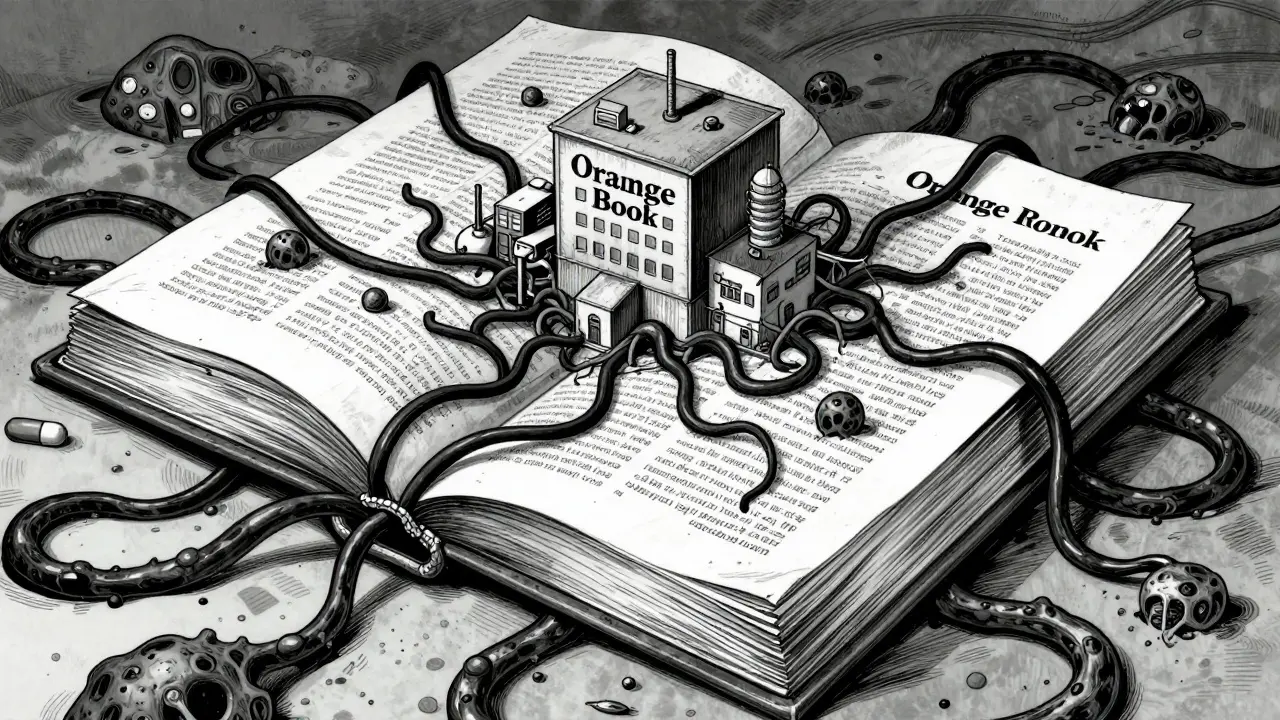
To keep things orderly, the government created a centralized registry known as the Orange Book. This isn't just a list; it's a critical legal tool where brand-name manufacturers list all patents that cover their drug. This creates a "patent linkage" system that tells generic companies exactly which legal hurdles they need to clear before they can launch.
When a generic company files an ANDA, they must provide a certification regarding those patents. The most famous of these is the Paragraph IV certification. By filing this, a generic company is essentially saying, "The brand-name patent is either invalid or our generic version doesn't infringe upon it." This is a bold legal move, but it comes with a massive reward: the first generic company to successfully file a Paragraph IV certification gets 180 days of market exclusivity. For a few months, they are the only generic option available, allowing them to capture a huge slice of the market before other competitors arrive.
| Feature | New Drug Application (NDA) | Abbreviated New Drug Application (ANDA) |
|---|---|---|
| Primary User | Brand-name Innovators | Generic Manufacturers |
| Trial Requirements | Full Clinical Safety & Efficacy | Bioequivalence Studies |
| Development Cost | Extremely High | 80-90% Lower than NDA |
| Goal | Prove the drug is safe/effective | Prove the drug is the same as the brand |
The "Safe Harbor" and Patent Term Restoration
One of the biggest legal headaches before 1984 was a court case called Roche Products, Inc. v. Bolar Pharmaceutical Co. The court had ruled that generic companies couldn't even test a drug to prepare an FDA application if the patent was still active. This meant that by the time a patent expired, the generic company would still need years to finish their tests, effectively extending the brand-name monopoly.
The Hatch-Waxman Act fixed this by introducing the Safe Harbor provision. This allows companies to use patented inventions if the activity is reasonably related to getting FDA approval. It essentially lets generic firms "get their ducks in a row" while the patent is still live, so they can hit the market the moment the patent expires.
In exchange for making it easier for generics, the law gave brand-name companies a win: Patent Term Restoration. Because the FDA's approval process can take years, brand companies were losing valuable patent time while waiting for permission to sell. The Act allows them to recover up to five years of that lost time, ensuring they still have a period of exclusivity to recoup their R&D investments.
The Dark Side: Evergreening and Pay-for-Delay
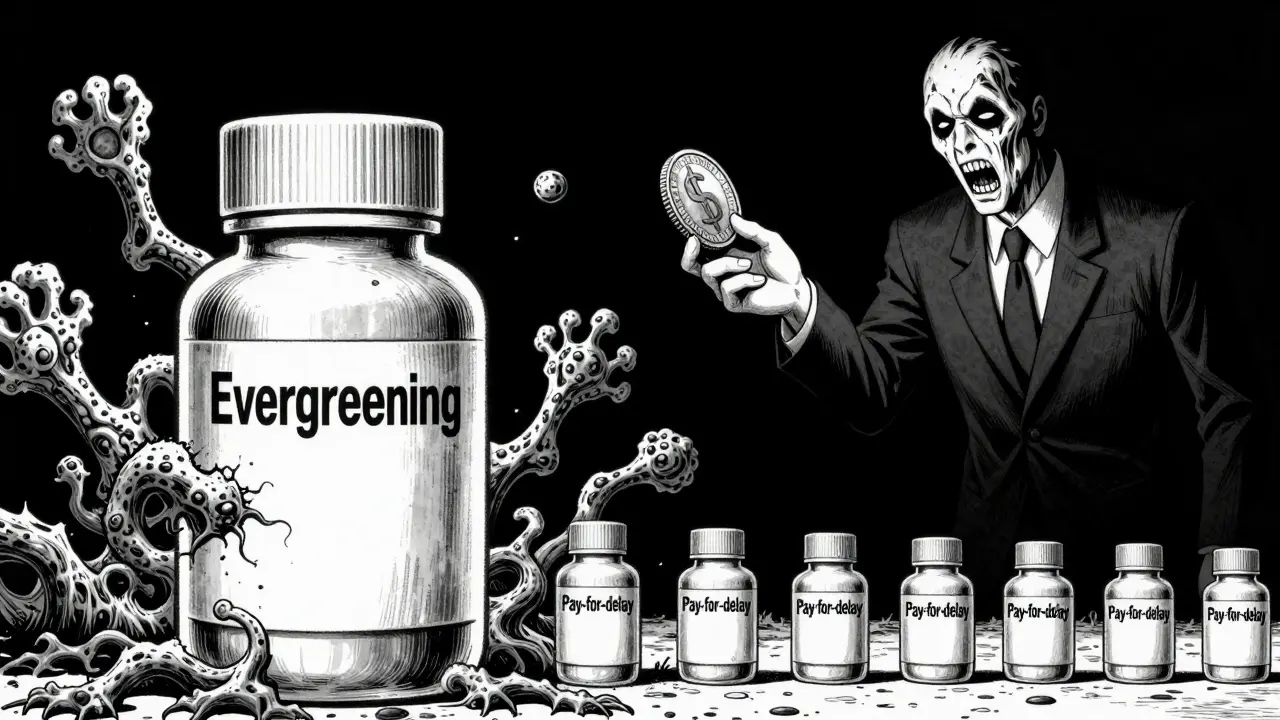
While the law was designed as a fair compromise, some companies have found ways to tilt the scales. You've likely heard of "evergreening." This is when a brand-name company makes a slight change to a drug-like a new extended-release version or a different coating-and files a new patent. This doesn't necessarily make the drug better for the patient, but it can restart the clock on exclusivity and keep generics off the shelf.
Even more controversial are "pay-for-delay" deals. This happens when a brand-name company pays a generic competitor to stay out of the market for a few years. The Federal Trade Commission (FTC) has found hundreds of these instances, estimating that they cost U.S. consumers about $35 billion annually. Instead of competing on price, the companies essentially split the monopoly profits.
The Lasting Impact on Public Health
Despite these loopholes, the scale of the Hatch-Waxman legacy is undeniable. By creating a structured path for generics, the U.S. shifted from a system where most people paid full price for medication to one where a cheap alternative is usually available. According to FDA data from 2024, more than 10,000 generic products are now on the market, often costing 80-85% less than the originals.
The law also paved the way for future updates, like the Generic Drug User Fee Amendments (GDUFA). By allowing companies to pay fees to speed up the review process, the FDA reduced the average ANDA review time from 30 months in 2012 to under 12 months by 2022. We are seeing a constant evolution of this framework to fight back against patent gaming and ensure that when a patent dies, the price drop happens immediately.
What is the main difference between an NDA and an ANDA?
An NDA (New Drug Application) is used by innovators to prove a drug is safe and effective through full clinical trials. An ANDA (Abbreviated New Drug Application) is used by generic makers to prove their version is bioequivalent to the original, skipping the need for new safety and efficacy trials.
How does the 180-day exclusivity period work?
The first generic company to file a "Paragraph IV" certification (challenging the brand's patent) and be successful is granted 180 days of exclusivity. During this window, no other generic versions of that drug can enter the market, giving the first-mover a significant financial advantage.
What is the "Orange Book"?
The Orange Book is the FDA's official list of approved drug products with therapeutic equivalence. It lists all the patents associated with a brand-name drug, which generic companies must reference and certify against in their ANDA filings.
Does the Hatch-Waxman Act still apply today?
Yes, it remains the foundational legal framework for the U.S. generic drug industry. While there have been various amendments and new laws to address biosimilars and "pay-for-delay" schemes, the core ANDA process and patent linkage system are still in effect.
Why do some drug prices stay high even after the patent expires?
This is often due to "evergreening," where companies file new patents on minor variations of the drug, or "pay-for-delay" agreements where brand companies pay generics to keep their versions off the market.