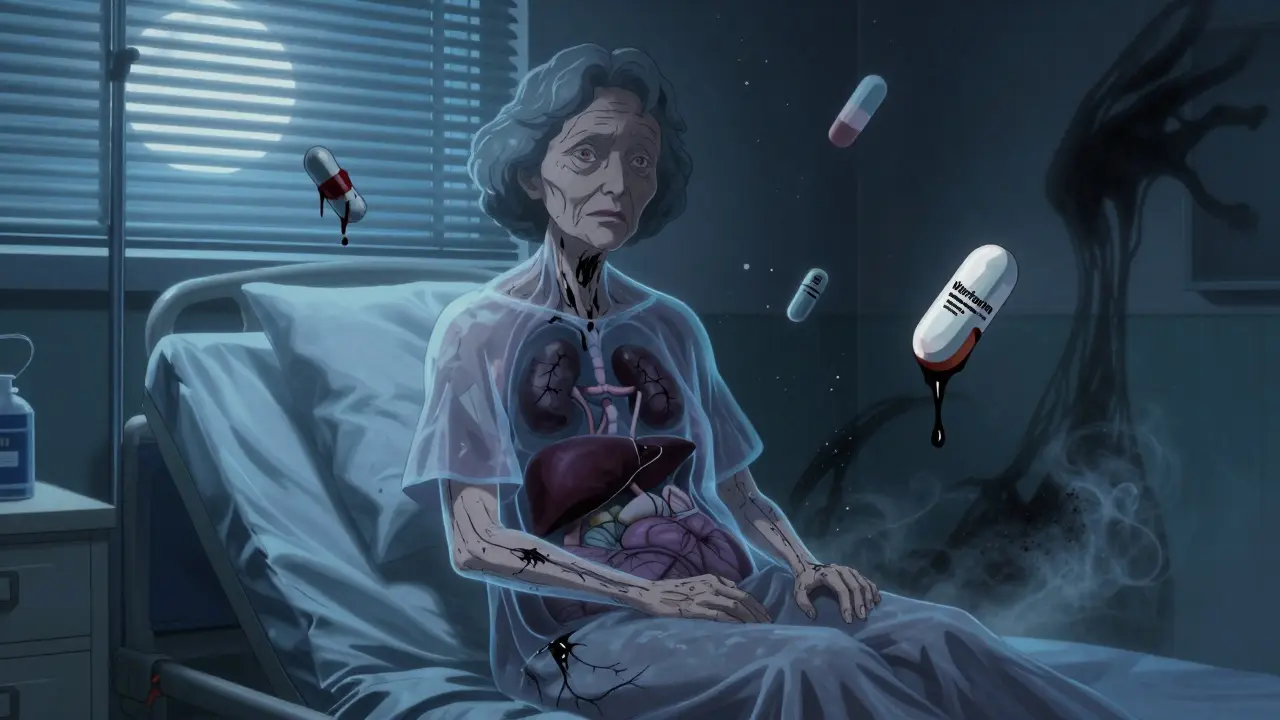
When you're older, your body doesn't process medications the same way it did when you were younger. That’s not a myth-it’s science. A 75-year-old taking the same pill as a 45-year-old might be getting twice the intended effect, or worse, suffering side effects that could land them in the hospital. This isn’t about being careful-it’s about medication dosing that matches how aging organs actually work.
Why Aging Changes How Drugs Work
Your body changes after 65. Not just your knees or your memory, but how your liver, kidneys, and gut handle drugs. These aren’t minor tweaks. They’re major shifts that can turn a safe dose into a dangerous one.Take absorption. As you age, your stomach produces less acid. Your intestines absorb less. Studies show this cuts how much of a drug enters your bloodstream by 20-30%. That means a pill that used to work fine might now barely make a dent.
Distribution changes too. You lose muscle and gain fat. Since many drugs stick to fat and not muscle, the same dose ends up concentrated in the wrong places. That’s why some medications build up in the body instead of clearing out.
The biggest problem? Your kidneys slow down. After age 30, your kidney filtration rate drops about 8 mL per minute every decade. By 70, nearly half of all adults have kidney function below the level needed to clear common drugs like antibiotics, blood pressure pills, or diabetes meds. And here’s the kicker: doctors often don’t test kidney function before prescribing.
Then there’s the liver. It breaks down drugs, but aging reduces its efficiency by 30-50%. Drugs like statins, antidepressants, and painkillers linger longer. This isn’t just about taking too much. It’s about the drug staying too long-building up slowly, day after day, until you feel dizzy, confused, or fall.
The ‘Start Low, Go Slow’ Rule
This isn’t a suggestion. It’s the gold standard in geriatric care. The American Geriatrics Society has pushed this since the 1980s, and it’s backed by decades of real-world data.Instead of starting with the standard adult dose, doctors should begin with half-or even a quarter-of the usual amount. Then, they wait. Weeks. Not days. Let the body adjust. Monitor for side effects. Only then, if needed, slowly increase.
Take gabapentin, often used for nerve pain. The normal starting dose is 300 mg. For someone over 65? It’s 100-150 mg. Too high? You get dizziness, falls, confusion. Too low? You still get pain relief without the risk.
Metformin for diabetes? The standard dose is 500-1000 mg daily. But if kidney function drops below 45 mL/min, the dose is cut in half. Below 30? It’s stopped entirely. Why? Because metformin builds up in the blood and can cause lactic acidosis-a rare but deadly condition.
Anticoagulants like warfarin? Elderly patients need 20-30% less. Why? Their liver breaks it down slower, and their blood vessels are more fragile. A standard dose can cause internal bleeding. Studies show that 27% of nursing home adverse drug events come from poorly adjusted anticoagulants.
How Doctors Measure What’s Safe
It’s not guesswork. There are tools. And they’re used every day in hospitals and clinics that know how to treat older adults.The most common one? The Cockcroft-Gault equation. It calculates creatinine clearance (CrCl)-a measure of kidney function-using age, weight, and a simple blood test. If CrCl is below 50 mL/min, most kidney-cleared drugs need dose reduction. Many doctors still use the standard dose. That’s dangerous.
For liver problems, the Child-Pugh score helps. It looks at blood tests, fluid buildup, and mental changes. A score of 7-9? Cut the dose in half. Score 10-15? Avoid the drug entirely. Drugs like diazepam, oxycodone, and many antidepressants fall into this category.
Therapeutic drug monitoring (TDM) is another tool. It measures exactly how much drug is in the blood. For digoxin (used for heart rhythm), the safe range for seniors is 0.5-0.9 ng/mL. For younger people? 0.8-2.0 ng/mL. That’s a big difference. But TDM isn’t available for 85% of common drugs. So doctors rely on formulas and experience.
High-Risk Medications to Watch Out For
The 2023 Beers Criteria® lists 30 classes of drugs that are risky for seniors. These aren’t obscure drugs. These are the ones most often prescribed.- Benzodiazepines (like Xanax, Valium): Increase fall risk by 50%. They’re sedatives, but they don’t wear off cleanly in older bodies. Dizziness lasts. Balance fades. Falls lead to fractures, hospitalization, loss of independence.
- NSAIDs (like ibuprofen, naproxen): Raise stomach bleeding risk by 300%. They’re common for arthritis, but they’re hard on kidneys and stomachs. Acetaminophen is often safer-if liver function is okay.
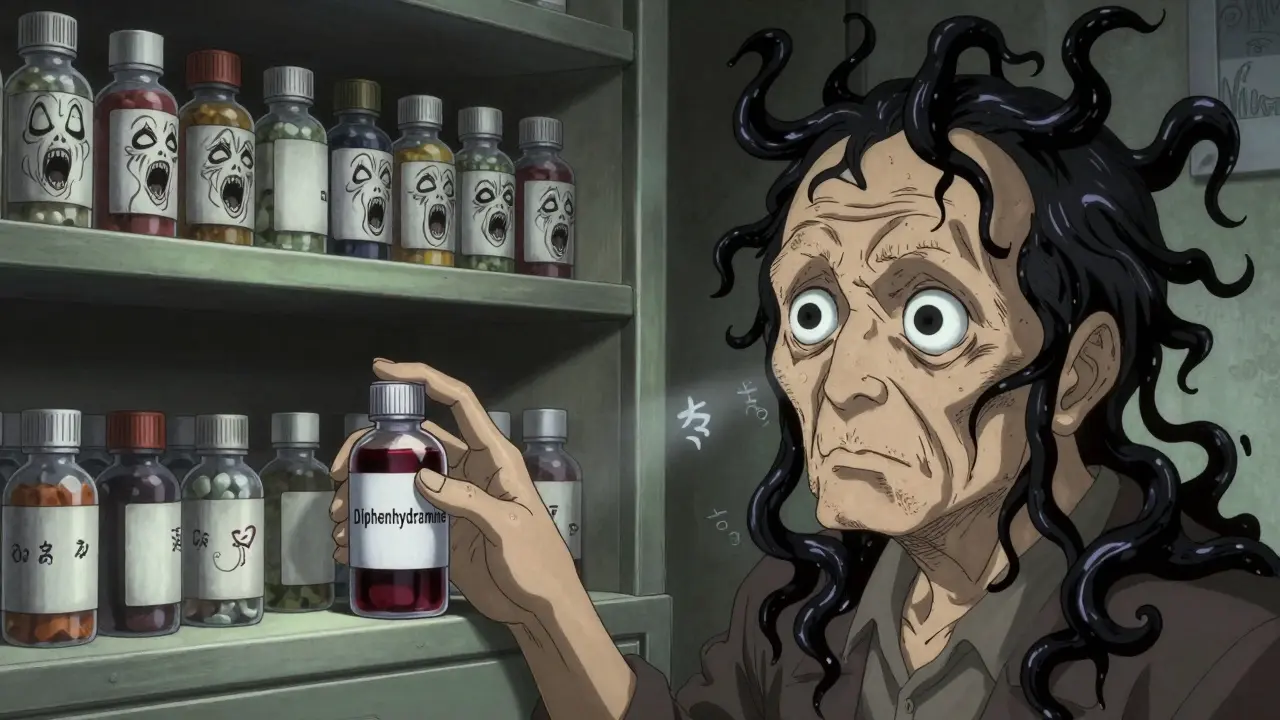
- Anticholinergics (like diphenhydramine/Benadryl, oxybutynin): Double dementia risk with long-term use. They’re in many sleep aids, bladder pills, and cold meds. Many seniors don’t even realize they’re taking them.
- Insulin and sulfonylureas: Too much causes low blood sugar. Seniors feel weak, confused, or faint. A single episode can lead to a car crash or fall. Dosing must be ultra-conservative.
And here’s the hidden trap: many of these drugs are still in OTC products. A nightly sleep aid with diphenhydramine? That’s an anticholinergic. A pain reliever with ibuprofen? That’s an NSAID. You don’t need a prescription to put yourself at risk.
What Happens When Dosing Isn’t Adjusted
The numbers are shocking. In 2022, a study in JAMA Internal Medicine found that 35% of hospital admissions for adults over 65 were caused by medication problems. Not infections. Not heart attacks. Just wrong doses.One 78-year-old woman was on a standard dose of a blood pressure pill. Her kidneys slowed. The drug built up. Her blood pressure crashed. She fell, broke her hip, and spent six months in rehab. Her doctor never checked her kidney function.
Another man, 82, took three antidepressants and a sleep aid. All had anticholinergic effects. Within months, he was confused, forgetful, and couldn’t walk without help. His dementia diagnosis? Likely caused by drug buildup.
These aren’t rare cases. They’re predictable. And they’re preventable.
How to Protect Yourself
You don’t need to be a doctor to take control. Here’s what works:- Do a brown bag review. Every six months, bring all your pills-prescription, OTC, supplements-to your doctor or pharmacist. Let them see everything. Many seniors don’t realize they’re taking multiple drugs with the same effect.
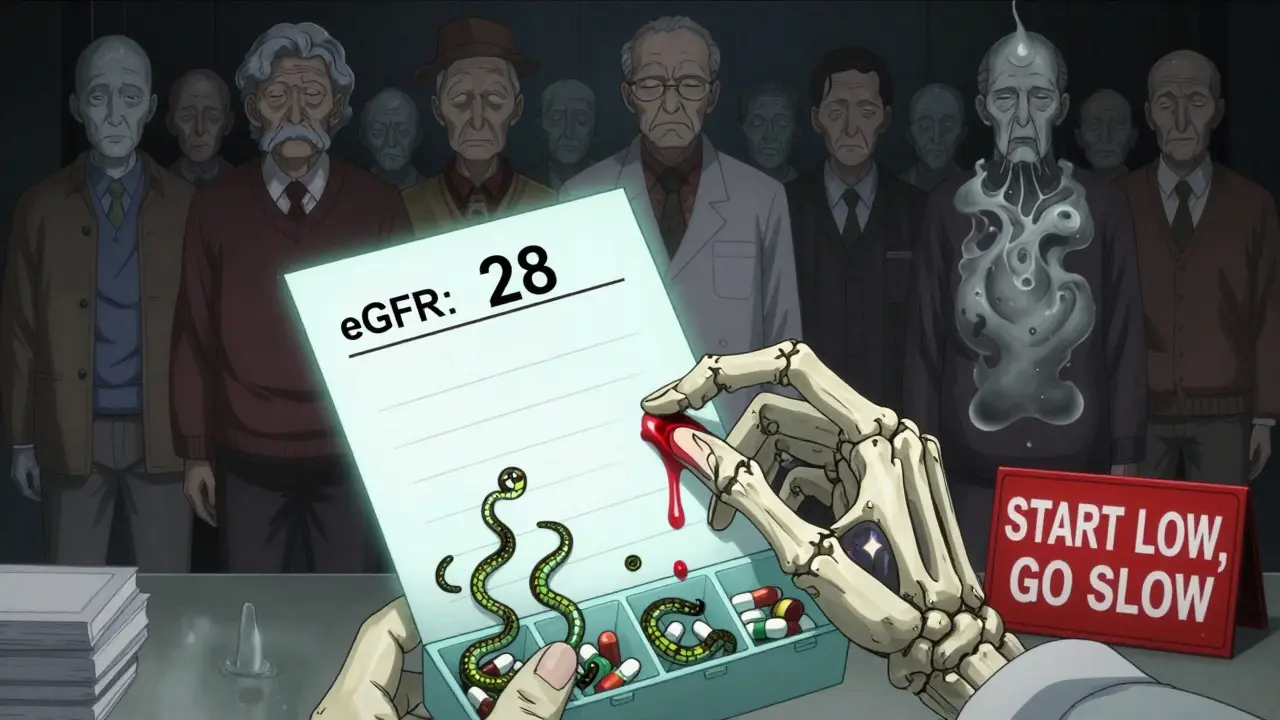
- Ask: “Is this dose right for my kidneys?” Request a simple blood test for creatinine. Ask for your eGFR (estimated glomerular filtration rate). If it’s below 60, ask if your meds need adjusting.
- Ask about alternatives. If you’re on an NSAID for pain, ask if acetaminophen or physical therapy could work. If you’re on a sleep aid, ask if better sleep habits or melatonin (in low dose) could help.
- Use pill organizers. Weekly blister packs reduce errors. Studies show they improve adherence by 37% and cut overdose risks.
- Involve a caregiver. Someone who helps you take pills, notices changes in behavior, or calls the doctor when you seem off can prevent a crisis.
Pharmacists are your allies. They’re trained in geriatric dosing. In clinics that use pharmacist-led reviews, medication errors drop by 67%. Ask if your pharmacy offers medication therapy management-it’s often free with Medicare.
The Future of Dosing
The field is changing. The FDA now requires age-stratified data in drug trials. That means new drugs must be tested in older adults-not just young, healthy volunteers.AI tools are emerging. One system at Johns Hopkins cut dosing errors by 47% by flagging unsafe combinations in real time. The NIH is funding research to use gait speed and cognitive tests-not just age-to guide dosing. Imagine a future where your walking speed tells your doctor how much of a drug you can safely take.
But the biggest gap? Training. Over 65% of U.S. physicians say they got little to no training in geriatric pharmacology. That’s why you can’t wait for your doctor to know better. You have to ask. You have to insist. You have to be your own advocate.
By 2030, personalized dosing based on organ function-not just age-will be standard. But until then, the tools are here. The knowledge is out there. You just need to use it.
Why can’t I just take the same dose I always have?
Your body changes as you age. Your kidneys filter slower, your liver breaks down drugs less efficiently, and your body composition shifts-more fat, less muscle. These changes mean the same dose can build up to toxic levels. What was safe at 50 can become dangerous at 75.
What’s the most common mistake doctors make with senior medications?
They assume the standard adult dose is safe. Many don’t check kidney or liver function before prescribing. They also miss drug interactions-especially when seniors take five or more medications. A 2016 study found 55% of U.S. seniors take five or more prescriptions, which multiplies the risk.
Are over-the-counter drugs safe for seniors?
Not always. Many OTC meds-like sleep aids with diphenhydramine, pain relievers with ibuprofen, or cold medicines with antihistamines-carry high risks. They’re not regulated for older adults. Always check the label and talk to your pharmacist before using them regularly.
How do I know if my kidney function is low?
Ask for your eGFR (estimated glomerular filtration rate) from a routine blood test. It’s calculated from creatinine, age, sex, and race. If it’s below 60 mL/min/1.73m², your kidneys aren’t filtering as well as they should. Below 45? Many medications need dose adjustments. Below 30? Some drugs should be stopped.
Can I stop a medication if I think it’s causing side effects?
Never stop cold turkey. Some drugs-like blood pressure meds, antidepressants, or steroids-can cause dangerous rebound effects. Talk to your doctor first. They can help you taper safely or switch to a better option. Side effects like dizziness, confusion, or nausea aren’t normal aging-they’re warning signs.



14 Comments
Amber Gray
March 24, 2026 AT 10:25 AMThis is why we need to stop treating seniors like 30-year-olds with wrinkles 😤 My grandma took the same blood pressure med for 15 years. Then one day she fell. Turned out her kidneys were at 38% and the drug was poisoning her. No one checked. No one cared. 🤦♀️
Danielle Arnold
March 25, 2026 AT 17:45 PMWow. Groundbreaking. So the body changes as you get older? Who knew? Next you'll tell me water is wet and gravity exists.
James Moreau
March 25, 2026 AT 20:49 PMI work in geriatrics. This is spot on. The real tragedy isn't the science-it's that most docs still don't get trained in this. I've seen patients on 400mg gabapentin. At 80. With CrCl of 22. It's not negligence. It's ignorance. And it's lethal.
J. Murphy
March 27, 2026 AT 12:43 PMSo you're saying old people are fragile? Newsflash. We all die. Maybe we should just stop medicating them and let nature take its course. Less paperwork. Less cost. Less hassle.
Jesse Hall
March 28, 2026 AT 07:30 AMThis is the kind of info that saves lives 💙 I helped my dad do a brown bag review last month. Turned out he was on 3 meds that all did the same thing. One was OTC sleep aid with diphenhydramine. He hadn't slept well in 2 years. We cut it. He's sleeping like a baby now. Thank you for sharing this.
Caroline Dennis
March 28, 2026 AT 15:45 PMeGFR <60 = dose adjustment threshold. Not a suggestion. A clinical imperative. Pharmacokinetics isn't optional. It's physiology. Ignoring it isn't conservatism-it's malpractice.
Kenneth Jones
March 28, 2026 AT 23:19 PMI've been saying this for years. Doctors are lazy. They don't want to think. They just copy-paste the standard dose. Then when the patient falls or gets confused they blame dementia. Bullshit. It's the meds. Always the meds.
Grace Kusta Nasralla
March 30, 2026 AT 23:20 PMI wonder if anyone has ever considered that maybe aging isn't a problem to be solved... but a natural process we're afraid to accept. We medicate everything. Even the slow decline of our organs. Maybe we should just... let go.
Korn Deno
March 31, 2026 AT 01:53 AMThe real issue isn't dosing. It's the system. Pharma companies design drugs for 25-year-old males. Regulators approve them that way. Then we slap on a 'use with caution' label for seniors. That's not safety. That's liability avoidance. We need age-specific trials. Not afterthoughts.
Aaron Sims
April 1, 2026 AT 16:35 PMSo... you're telling me the government and Big Pharma are hiding the truth about aging and drugs? 🤔 Wait. Let me guess. They're also hiding the 5G cancer link, the moon landing was fake, and your dog is a lizard person. I'm not buying it.
Stephen Alabi
April 3, 2026 AT 14:34 PMIt is my solemn duty to inform you that the assertion that renal clearance declines with age is empirically validated by the National Institute on Aging and corroborated by longitudinal cohort studies conducted between 1987 and 2019. To disregard this is to commit a fundamental error in clinical pharmacology.
Agbogla Bischof
April 4, 2026 AT 21:27 PMIn Nigeria, we don't have access to eGFR tests for most elderly. But we know when someone gets dizzy, confused, or falls. We stop the meds. We watch. We adjust. No fancy equations. Just observation. Sometimes, simple is better. Also: acetaminophen > NSAIDs. Always.
Pat Fur
April 5, 2026 AT 10:19 AMMy mom’s 79. She’s on three meds. One was causing her to hallucinate at night. We didn’t know until we did the brown bag. She’s been sleeping peacefully since. Just ask. Just listen. Just care.
James Moreau
April 5, 2026 AT 15:22 PMI'm glad you brought up the brown bag. That single habit has cut ER visits in our clinic by 40%. Pharmacists are the unsung heroes here. We need more of them in primary care.