Aminoglycoside Hearing Damage: What You Need to Know
When you take an aminoglycoside, a class of powerful antibiotics used for serious bacterial infections. Also known as gentamicin, tobramycin, or amikacin, these drugs save lives—but they can quietly damage your hearing. This isn’t rare. Studies show up to 20% of people on long-term aminoglycoside therapy develop some level of hearing loss, often without warning. The damage is usually permanent and starts with high-frequency sounds—like birds chirping or children’s voices—before it spreads. It’s called ototoxicity, toxic damage to the inner ear caused by medications, and aminoglycosides are among the worst offenders.
Why does this happen? These antibiotics don’t just kill bacteria. They slip into the tiny hair cells in your cochlea, the part of your ear that turns sound into signals your brain understands. Once inside, they trigger oxidative stress and cell death. There’s no cure. Once those hair cells are gone, they don’t come back. Some people are more at risk—older adults, people with kidney problems, or those taking other ototoxic drugs like loop diuretics or platinum-based chemo. Even a single high dose can be dangerous if your body can’t clear the drug fast enough. And here’s the catch: you might not notice it until it’s too late. Unlike pain or nausea, hearing loss creeps in slowly. You might think you’re just having a bad day, but your ears are quietly failing.
It’s not just about the drug itself. How it’s used matters. IV infusions over hours, repeated doses, and long treatment courses all raise the risk. Doctors sometimes use these antibiotics in hospitals for sepsis, cystic fibrosis, or resistant infections because they work when others don’t. But that doesn’t mean the risk disappears. That’s why monitoring is critical—baseline hearing tests before starting, regular checks during treatment, and listening to patients who say, "I can’t hear the TV like I used to." This is where awareness saves hearing. If you’re on or about to start an aminoglycoside, ask: "Could this hurt my hearing?" and "Is there a safer alternative?" You have the right to know.
The posts below cover real cases, drug interactions, and protective strategies. You’ll find guides on how to spot early signs of hearing damage, what other medications make it worse, and how to talk to your doctor about alternatives. Some posts even look at how kidney function affects drug buildup. This isn’t theory. These are stories from people who lived through it—and the medical insights that helped them.
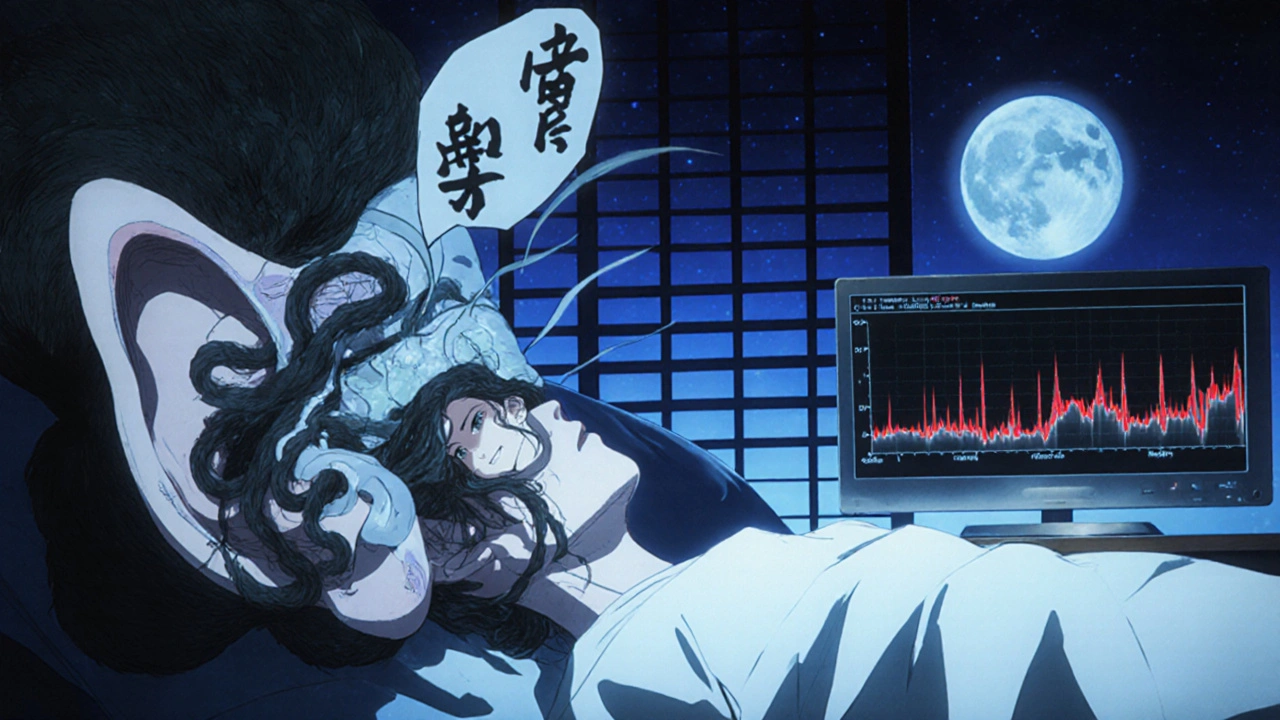
Ototoxic Medications: Understanding Drug Risks to Hearing and How to Monitor Them
Ototoxic medications like cisplatin and gentamicin can cause permanent hearing loss. Learn which drugs are risky, how monitoring works, and how to protect your hearing before it's too late.