Epilepsy and Pregnancy: What You Need to Know About Seizure Medications and Safety
When you have epilepsy, a neurological condition causing recurrent seizures and you’re planning a pregnancy—or already pregnant—your biggest concern isn’t just having a baby. It’s keeping yourself safe while protecting your unborn child from harmful drug effects. antiepileptic drugs, medications used to control seizures are often necessary, but some carry risks like birth defects, developmental delays, or low birth weight. Not all of them are equally dangerous, and many women successfully carry healthy pregnancies while staying seizure-free with the right plan.
Here’s the truth: stopping your meds cold turkey is riskier than staying on them. Seizures during pregnancy can cause falls, oxygen loss to the baby, preterm labor, or even miscarriage. That’s why doctors don’t just say "take your pills"—they help you pick the safest option. pregnancy and seizures, the interaction between seizure activity and fetal development is a balancing act. Drugs like lamotrigine and levetiracetam are often preferred because studies show lower rates of major birth defects compared to older drugs like valproate, which is strongly linked to neural tube defects and autism risk. Your neurologist and OB will monitor your blood levels closely, because pregnancy changes how your body processes these drugs—doses often need adjusting as your pregnancy progresses.
You’re not alone in this. Thousands of women with epilepsy have healthy babies every year. But it takes preparation. Blood tests, ultrasound scans, and sometimes folic acid supplements at higher doses (5mg daily) are part of standard care. If you’re on multiple meds, your team might try to switch to a single drug before conception to reduce complexity. And yes, breastfeeding is usually safe—most antiepileptic drugs pass into milk in tiny, harmless amounts. The key is working with a team that knows the latest data, not guessing based on old warnings or scary internet stories.
What you’ll find below are real, practical guides from women and doctors who’ve walked this path. You’ll see how people managed side effects, adjusted doses, handled emergencies, and chose meds that worked without putting their babies at risk. No fluff. Just clear, tested advice from people who’ve been there.
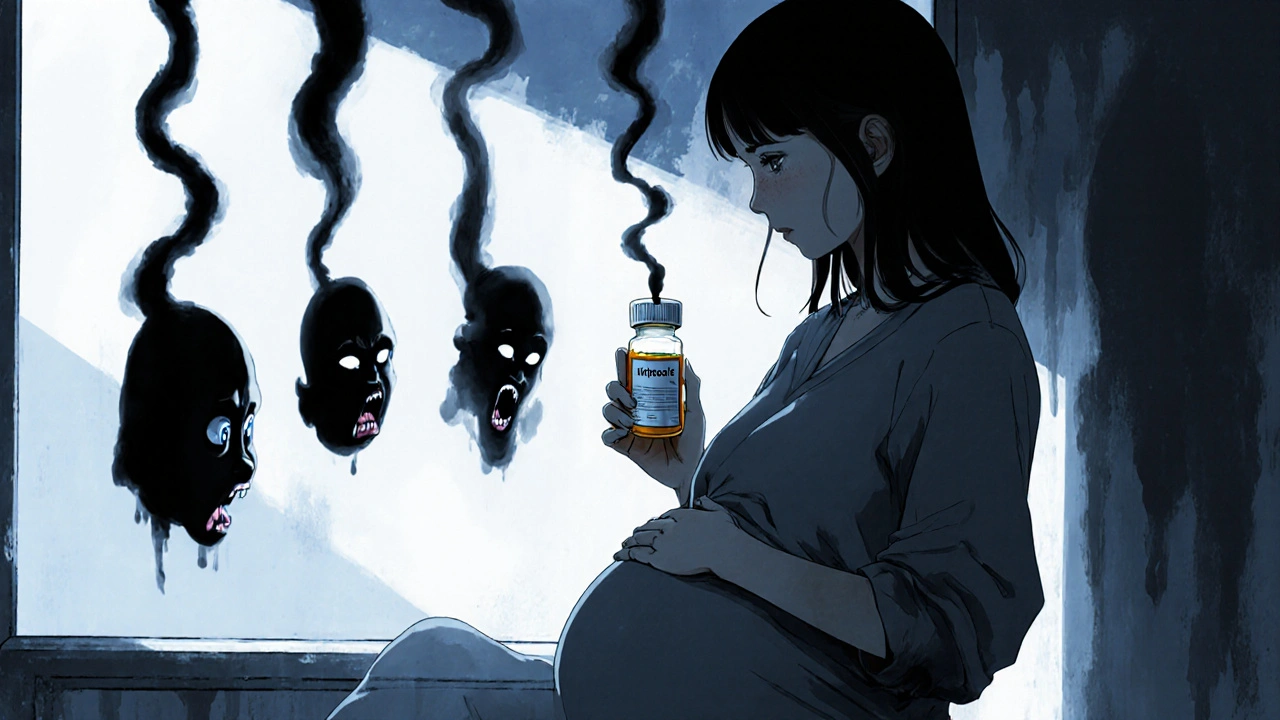
Seizure Medications and Pregnancy: Birth Defect Risks and Drug Interactions You Need to Know
Seizure medications can pose serious risks during pregnancy, including birth defects and drug interactions with birth control. Learn which drugs are safest, how to plan ahead, and why uncontrolled seizures are even more dangerous.