FDA Patent Litigation: What It Means for Your Medications
When you hear FDA patent litigation, legal battles between drug makers over who can sell a medication first after patent expiration. Also known as Hatch-Waxman litigation, it’s the quiet force deciding whether your next prescription costs $5 or $500. This isn’t courtroom theater—it’s the system that controls when generic versions of your meds become available.
FDA patent litigation directly involves generic drugs, lower-cost versions of brand-name medications approved after patent disputes are resolved. When a company files a patent, they get 20 years of market control. But under the Hatch-Waxman Act, generic makers can challenge those patents early—if they believe the patent is weak, invalid, or doesn’t actually protect the drug’s real innovation. If they win, the FDA fast-tracks their version. That’s how your insulin, blood pressure pill, or antidepressant suddenly drops in price overnight.
But it’s not just about generics. brand-name drugs, the original medications developed by pharmaceutical companies fight hard to delay generics. They might file new patents on minor changes—like a different pill shape, a new release timing, or a slightly altered chemical form. These are called "evergreening" tactics. Courts often have to decide: Is this a real innovation or just a legal trick? The outcome affects you. If the brand wins, you wait. If the generic wins, your copay shrinks.
drug exclusivity, a separate period of market protection granted by the FDA even before patents expire adds another layer. A drug might have 12 years of exclusivity for biologics, or 5 years for new chemical entities. During that time, no generic can even apply. Patent litigation often overlaps with exclusivity fights, making the timeline messy. You might think a drug’s patent expired, but exclusivity could still block generics for years.
This system is why some of the posts below talk about switching from brand to generic, why pill appearance changes confuse patients, or why bioequivalence studies matter. When patent litigation ends, the flood of generics begins—and that’s when you see real savings. But it’s also why some people get the wrong medication by accident: pharmacies switch brands without warning, and patients don’t recognize the new pill.
Behind every generic drug you take is a legal battle that already happened. And every time a patent is challenged, it’s not just about money—it’s about access, safety, and who gets treated first. The posts here don’t just list side effects or drug interactions—they show you how the system works from the inside. You’ll see how Cmax and AUC prove generics work the same, how automated refills help when brands change, and why people stop taking meds after a switch. This isn’t just law. It’s your health policy, written in court filings and FDA approvals. What you’re about to read? It’s the real story behind your medicine cabinet.
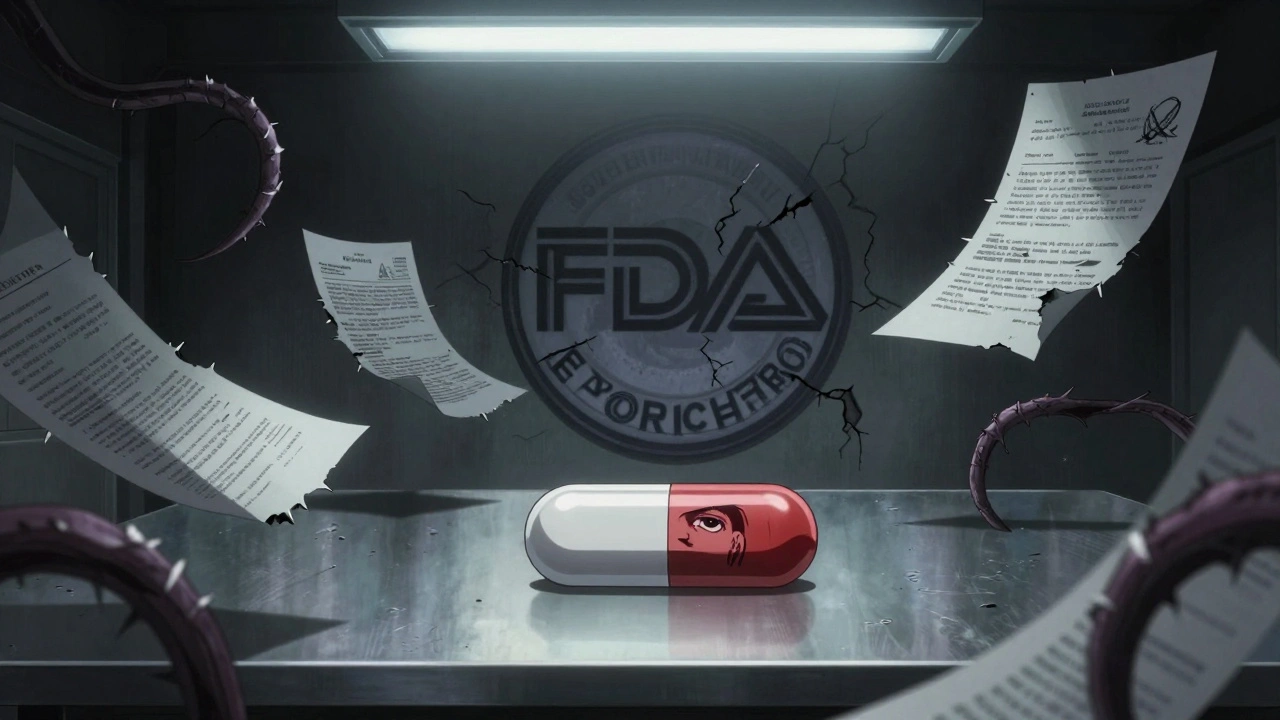
Tentative Approval for Generics: Common Reasons for Delays
Tentative approval from the FDA means a generic drug is scientifically ready - but legal, manufacturing, or market barriers often block its launch. Learn the top reasons why these approvals stall for years.