TCA Side Effects: What You Need to Know About Tricyclic Antidepressants
When doctors prescribe tricyclic antidepressants, a class of older antidepressants used for depression, anxiety, and chronic pain. Also known as TCAs, they work by balancing brain chemicals like serotonin and norepinephrine. But unlike newer antidepressants, TCAs come with a long list of side effects that many people don’t expect. If you’re taking one—or considering it—you need to know what’s normal, what’s dangerous, and what you can do about it.
Common side effects like dry mouth, a frequent complaint caused by reduced saliva production and constipation, due to slowed digestion from anticholinergic activity are annoying but usually manageable. You can chew sugar-free gum, drink more water, or adjust your diet. But then there are the ones that matter more: dizziness, often from low blood pressure when standing up, or blurred vision, a result of the drug affecting eye muscles. These aren’t just inconveniences—they increase your risk of falls, especially in older adults. And then there’s the heart. TCAs can slow your heart rate or cause irregular rhythms, which is why doctors check your EKG before and sometimes during treatment. This isn’t theoretical. People have ended up in the hospital because they didn’t realize these effects were drug-related.
Some side effects fade as your body adjusts—nausea, sleepiness, or mild tremors often improve in a few weeks. But others stick around. Weight gain, sexual dysfunction, and urinary retention don’t just linger; they can make people quit their meds altogether. That’s why talking to your doctor isn’t optional. If you’re struggling, there are ways to adjust the dose, switch timing (like taking it at night if drowsiness hits), or add a counter-treatment. And if you’re on multiple medications, watch for interactions. TCAs don’t play well with some painkillers, antihistamines, or even certain herbal supplements. The TCA side effects you read about online aren’t just a list—they’re warning signs you should never ignore.
What you’ll find below are real patient experiences and practical advice on handling these effects. From how to spot early signs of toxicity to what to do when your pills start to feel worse than your symptoms, these posts give you the tools to stay safe and stay on track. No fluff. Just what works.
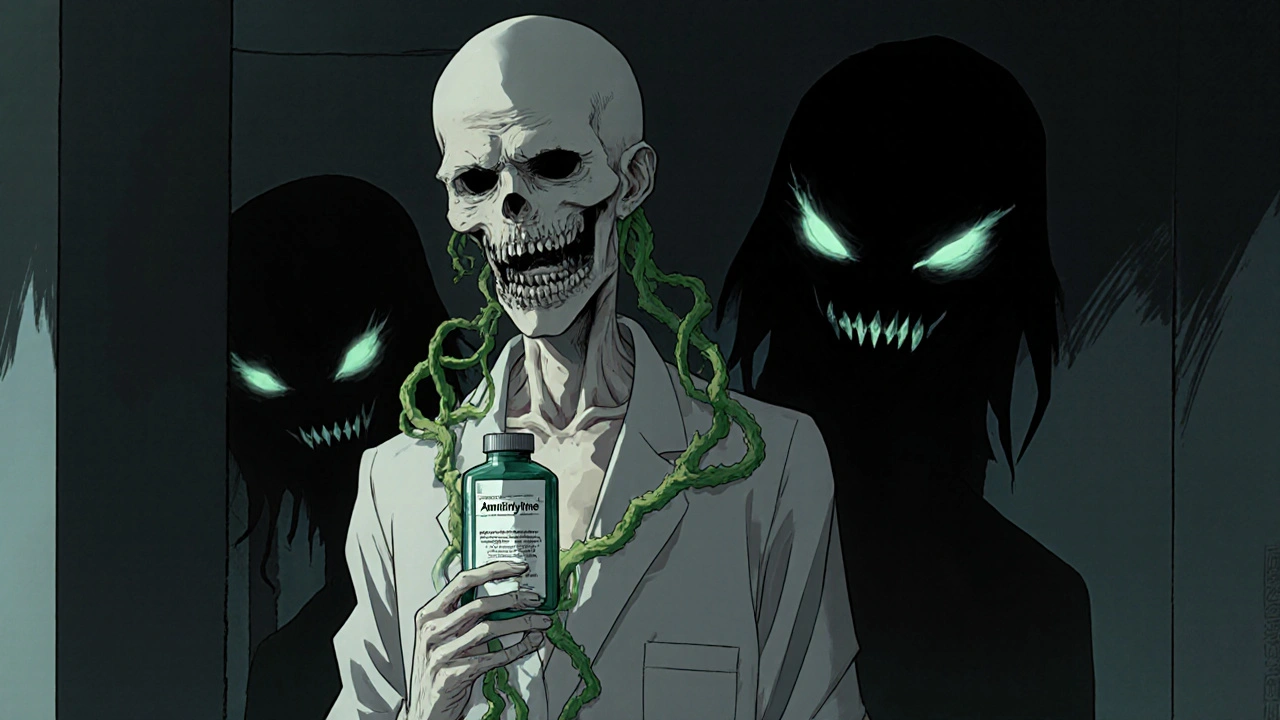
Tricyclic Antidepressant Side Effects: Amitriptyline, Nortriptyline, and Other TCAs Explained
Tricyclic antidepressants like amitriptyline and nortriptyline are still used for depression and nerve pain, but they come with serious side effects including dry mouth, heart risks, and cognitive decline. Learn what you need to know before taking them.
Popular Posts
-
-

Ampicillin for Sinus Infections: Your Ultimate Guide
18 September -
-
-