Category: Medications - Page 5

Respiratory Depression from Opioids and Other Medications: Critical Signs You Can't Ignore
Opioid-induced respiratory depression is a silent, life-threatening reaction marked by slow, shallow breathing and low oxygen. Recognizing the signs early-like unresponsiveness, irregular breathing, or confusion-can prevent death. High-risk groups include seniors, women, opioid-naïve patients, and those mixing drugs.
Anticoagulants and Bleeding Disorders: How to Prevent Hemorrhage
Anticoagulants prevent dangerous clots but carry a real risk of bleeding. Learn how to balance clot prevention with hemorrhage risk using the latest guidelines on warfarin, DOACs, reversal agents, and patient safety strategies.
European Generic Markets: How Regulatory Approaches Across the EU Shape Drug Access and Competition
The EU's generic drug approval system is complex, with four pathways, 27 national regulators, and major 2025 reforms. Learn how these rules shape drug availability, pricing, and competition across Europe.

Insurance Appeals: Fighting Denials When a Generic Medication Doesn't Work
When a generic medication fails to work, insurance denials can put your health at risk. Learn how to fight back with documented evidence, step-by-step appeals, and real strategies that work.

Monoclonal Antibody Biosimilars: Examples and Clinical Uses
Monoclonal antibody biosimilars offer proven, cost-effective alternatives to expensive biologic drugs for cancer and autoimmune diseases. Learn which ones are approved, how they work, and why they're changing patient access.
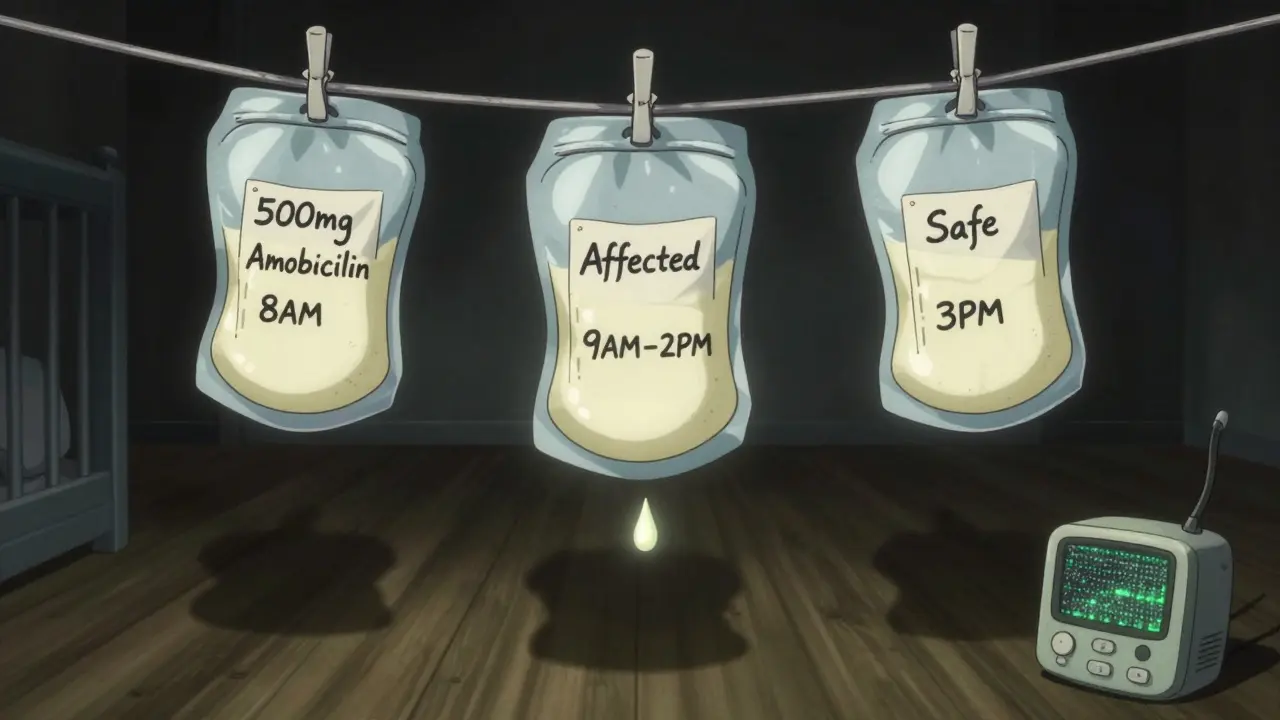
How to Store and Label Breast Milk When Taking Temporary Medications
Learn how to safely store and label breast milk when taking temporary medications. Discover when to pump and dump, how to separate batches, and which meds are safe-without wasting milk or stopping breastfeeding.
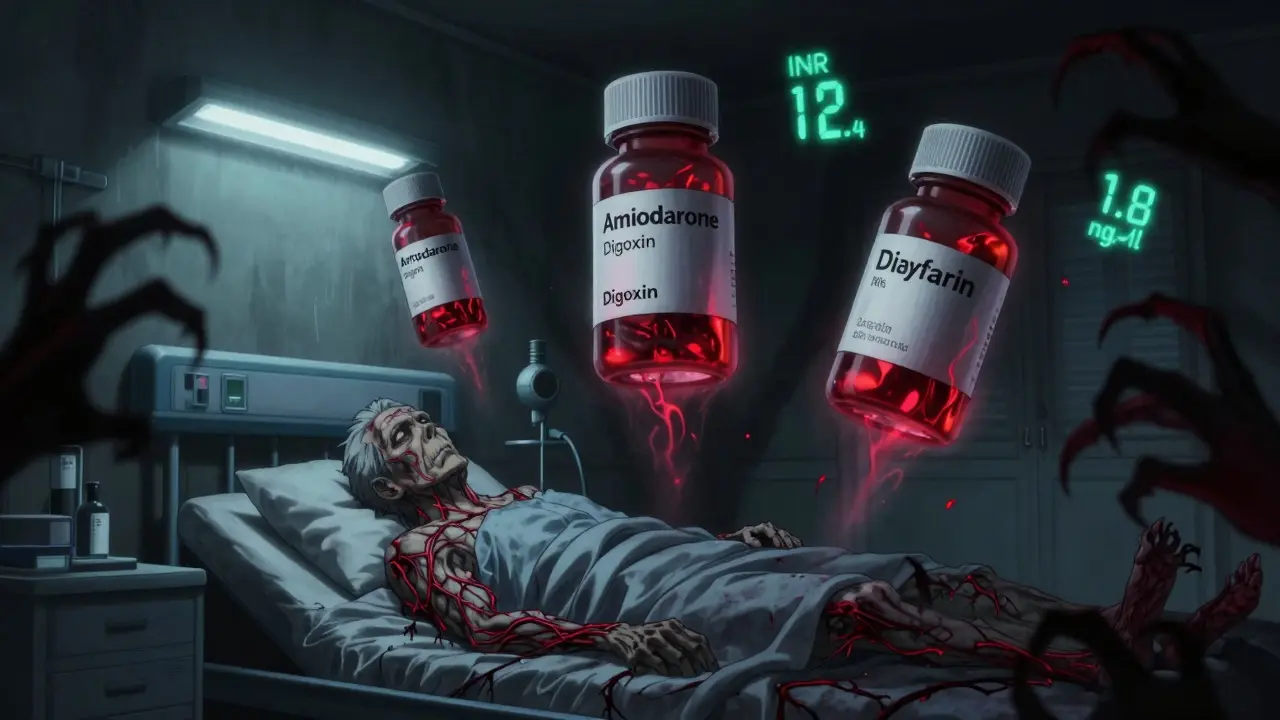
Amiodarone, Digoxin, and Warfarin: The Dangerous Drug Triad You Can't Afford to Miss
Amiodarone, digoxin, and warfarin together can cause life-threatening toxicity. Learn how this dangerous drug triad works, why it’s still prescribed, and exactly how to manage it safely.
How Pharmacogenomics Reduces Drug Interaction Risk
Pharmacogenomics reveals how your genes affect how your body processes medications, drastically changing the risk of dangerous drug interactions. Learn how genetic testing can prevent adverse reactions and improve treatment safety.
Extended Use Dates: How the FDA Extends Drug Expiration Dates During Shortages
The FDA extends expiration dates for critical drugs during shortages to ensure patients have access to life-saving medications. Learn how it works, which drugs qualify, and what hospitals must do to use them safely.

UK Substitution Laws: How NHS Policies on Generic Medicines and Care Shifts Are Changing Healthcare
UK NHS substitution laws now require 90% generic drug use and shift care from hospitals to community settings. Learn how these changes affect prescriptions, access to care, and patient safety in 2026.
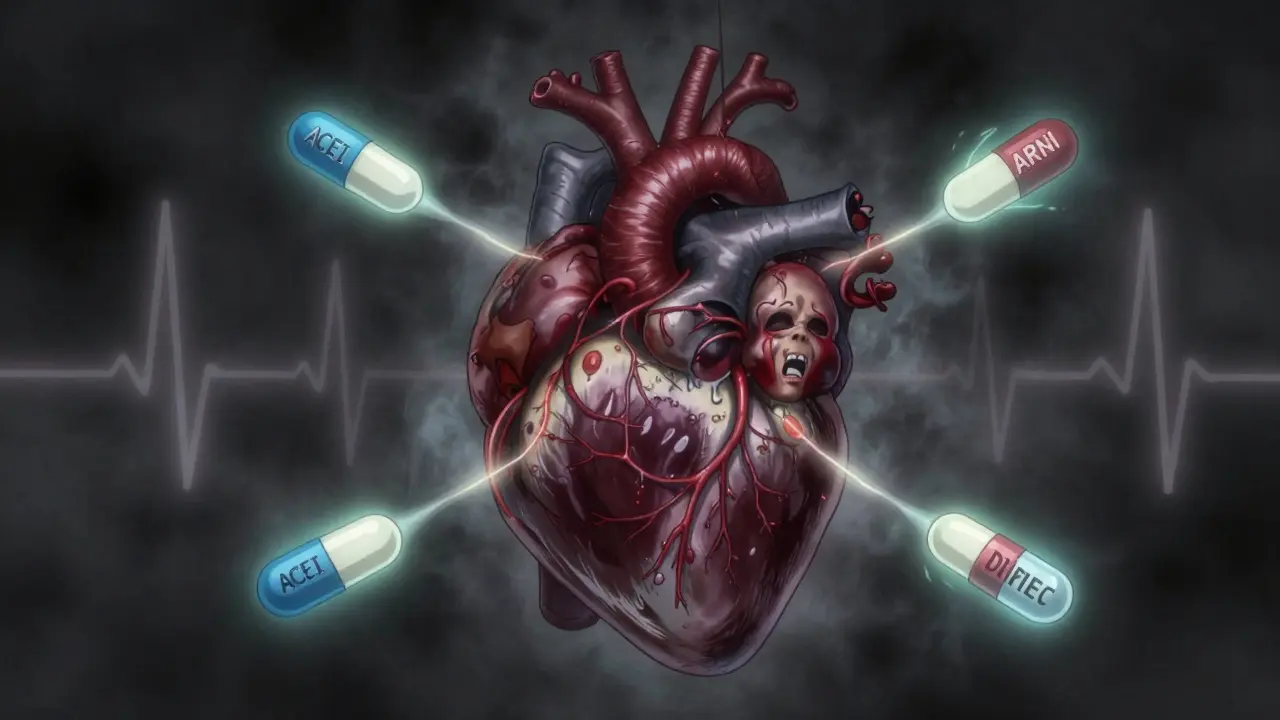
Heart Failure Medications: ACEIs, ARNI, Beta Blockers, and Diuretics Explained
Learn how ACE inhibitors, ARNI, beta blockers, and diuretics work together to treat heart failure, reduce hospitalizations, and save lives. Understand dosing, side effects, real patient experiences, and why many still don’t get the best care.

How to Tell a Side Effect from a True Drug Allergy
Learn how to tell the difference between a harmless drug side effect and a dangerous immune reaction. Most people mislabel side effects as allergies-here’s how to know for sure.